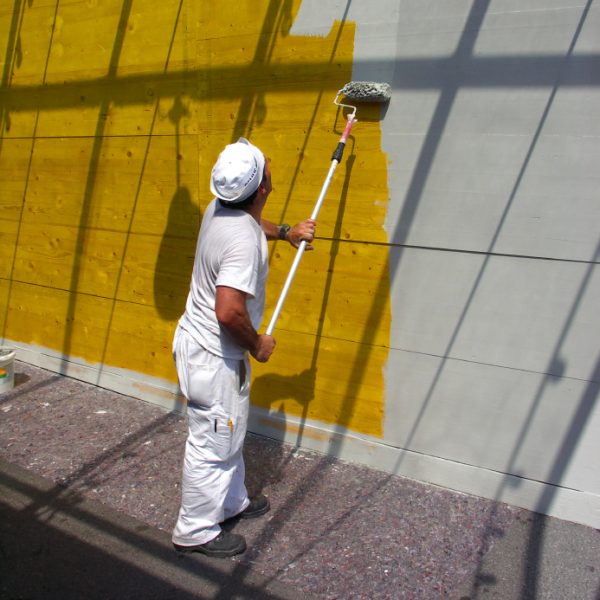
The Enduring Canvas: Your Expert Guide to House Painting in Austin’s Unique Light and Luster
The world outside your window in Austin often pulses with a vibrant energy, a particular kind of light that dances across the limestone and brick, through the ancient live oaks, and settles with a golden warmth upon the stucco and siding of the homes nestled here. Your home, that quiet sentinel of your life, absorbs this light, reflects it, and, in its very essence, whispers a silent narrative to the street, to your neighbors, and most profoundly, to you. But even the most enduring narratives need refreshing, a new chapter, a re-telling in a voice that resonates with the present while honoring the past. This is where the profound art and science of house painting unfurl, a meticulous craft that transforms not just surfaces, but atmospheres, and indeed, the very soul of your dwelling.
You stand on the cusp of a significant transformation, a journey that will redefine your home’s presence, enhance its resilience, and deepen its connection to Austin’s unique spirit. This is not merely about applying color; it is about choosing a new skin, a fresh breath, a revitalized spirit for the place where your memories are forged and your future unfolds. So, let us embark together upon this detailed exploration, guided by the wisdom of experience, through the nuanced world of house painting in this singular Texan city.
The Deeper Hue: Why Your Home Cries for a Fresh Coat
Before we delve into the meticulous details, consider for a moment the profound why behind this endeavor. Why does your home, this steadfast companion, demand a new coat of paint? It is far more than a fleeting aesthetic whim.
Keywords for this section: Austin home transformation, property value Austin, home protection, mood enhancement, house character Austin.
Firstly, there is the undeniable allure of renewal. You might glance at the faded façade, the subtle peeling, the whispers of time etched onto its exterior walls, and feel a quiet yearning for a pristine finish, a vibrant hue that captures the Austin sky or the deep green of its verdant landscapes. This visual rejuvenation is immediate and deeply satisfying. It elevates curb appeal, presenting your home not just as a structure, but as a thoughtfully curated space, a testament to your care and attention. In the competitive Austin real estate market, this visual polish can significantly impact your home’s market value, often yielding a remarkable return on investment.
But beyond the superficial, a fresh coat of paint serves as a vital shield. Austin’s climate, with its intense summer sun, occasional torrential downpours, and the constant threat of humidity, relentlessly assails your home’s exterior. Paint, in its essence, is a protective barrier, guarding against moisture intrusion, UV degradation, and the insidious creep of mold and mildew. It acts as the first line of defense, preserving the integrity of your siding, stucco, or brick, preventing costly structural damage down the line. To neglect this protective layer is to leave your home vulnerable, exposed to the elements, slowly succumbing to the relentless march of decay.
Then there is the subtle, yet powerful, impact on mood and atmosphere. The colors you choose for your interior spaces can profoundly influence your daily life, shaping the tranquility of your bedroom, the vibrancy of your living area, or the focused energy of your home office. A well-chosen palette can create a sense of spaciousness in a modest room or imbue a grand hall with warmth and intimacy. It is a silent language, speaking to your subconscious, guiding your emotional landscape within the confines of your own walls. Your home’s character is, in part, defined by its colors, a reflection of your personality, your aspirations, and the very essence of your living experience.
Finally, there is the sheer pleasure of ownership and pride. To walk up to your newly painted home, to see the light play across its fresh surfaces, to know that you have invested in its longevity and beauty—this is a quiet triumph. It is a statement of care, a commitment to the enduring legacy of your space. This deep satisfaction, this renewed connection with your dwelling, is perhaps the most profound reason of all.
Austin’s Sun-Drenched Embrace: A Climate’s Challenge and Opportunity
Austin’s unique geographic position gifts it with abundant sunshine and a distinct seasonal rhythm, but this very beauty presents specific considerations for house painting. To ignore these climatic realities is to invite premature fading, peeling, and a general disillusionment with your newly acquired aesthetic.
Keywords for this section: Austin weather painting, humidity impact paint, UV resistance Austin, extreme heat paint, exterior paint durability Austin.
The Texas sun, particularly in the summer months, is a formidable force. Its intense UV radiation relentlessly assaults exterior paint, causing colors to fade, chalk, and break down over time. This demands paints formulated with superior UV resistance, pigments that are less prone to degradation, and binders that maintain their integrity under prolonged exposure. Choosing a lighter color palette can also help, as lighter colors reflect more sunlight and absorb less heat, potentially extending the life of the paint job.
Then there is the pervasive humidity. Austin, with its proximity to the Gulf, often experiences high levels of atmospheric moisture. This humidity can slow drying times, leading to issues like blistering or poor adhesion if not properly managed during application. More critically, constant moisture can foster the growth of mildew and algae, particularly on shaded or north-facing walls. Your chosen paint must possess excellent mildew resistance, and the surface preparation must meticulously address any existing fungal growth.
The extreme heat of Austin summers also plays a role. Applying paint in temperatures that are too high can cause it to dry too quickly, leading to brush marks, poor leveling, and an uneven finish. This necessitates strategic scheduling, often favoring early mornings or cooler, overcast days for exterior work. Conversely, painting in overly cool or damp conditions can also impede proper curing and adhesion. The delicate balance of ambient temperature and humidity is a painter’s constant dance in Austin.
Therefore, the choice of paint itself becomes an act of strategic foresight. You will want to seek out high-quality, 100% acrylic latex paints for exteriors. These formulations offer superior flexibility, allowing them to expand and contract with temperature fluctuations without cracking, and boast excellent adhesion and color retention. For interiors, while the climate is less of a direct assault, considerations for humidity in bathrooms and kitchens remain pertinent, favoring paints with good moisture resistance and scrubbability.
Understanding these climatic nuances is not merely an academic exercise; it is a practical necessity that profoundly impacts the longevity, beauty, and protective qualities of your home’s new skin.
The Alchemy of Color: Crafting Your Home’s Visual Symphony
The selection of color is perhaps the most personal, the most emotionally resonant aspect of the entire painting process. It is where your vision truly takes tangible form, where the abstract notion of “home” is given a specific, visual identity. This is an alchemy of light, mood, and personal preference, demanding contemplation rather than hasty decision.
Keywords for this section: Austin color palettes, light impact paint, mood colors Austin, exterior color trends, interior color psychology, harmonious color schemes.
Think of your home as a canvas, and the surrounding Austin landscape as your inspiration. The warm, earthy tones of the Texas hill country, the vibrant greens of its lush parks, the clear, azure of its skies—all offer a rich palette from which to draw. But beyond merely echoing the environment, your color choices must consider several crucial elements:
- Architectural Style: A historic Victorian home will demand a different approach than a sleek, modern minimalist structure or a charming bungalow. Respect the inherent lines and character of your home.
- Fixed Elements: Your roof, brickwork, stone accents, and landscaping are immutable. Your new paint color must harmonize with these existing elements, creating a cohesive and pleasing composition.
- Natural Light: This is paramount. A color that appears vibrant and inviting under a cloudy sky in a paint chip might seem stark or washed out in Austin’s bright, direct sunlight. Always test large swatches on your walls, observing them at different times of day.
- Neighborhood Context: While your home is your sanctuary, it also exists within a community. Consider how your color choice will relate to your neighbors’ homes, contributing to or detracting from the overall aesthetic harmony of the street.
- Interior vs. Exterior: The rules of engagement differ. Exterior colors often need to be bolder to stand up to the expanse of natural light, while interior colors can be more subtle, nuanced, and reflective of the intimate spaces they define.
For interiors, the psychology of color comes into play. Cool tones (blues, greens, purples) evoke calmness and serenity, often making rooms feel larger. Warm tones (reds, yellows, oranges) stimulate energy and coziness, bringing spaces inward. Neutrals (grays, beiges, whites) offer versatility and a timeless backdrop, allowing furniture and art to take center stage. The interplay of light within each room will dictate how these colors truly manifest. A north-facing room, receiving cooler, indirect light, might benefit from warmer tones to feel inviting, while a south-facing room bathed in bright light can handle cooler, more saturated hues.
Here is a preliminary exploration of color palettes often embraced in Austin, reflecting both its natural beauty and architectural diversity:
| Palette Name | Core Colors & Hues | Typical Austin Home Style | Mood & Effect |
|---|---|---|---|
| Hill Country Earth | Warm Beiges, Sage Greens, Terracotta Reds, Cream | Ranch, Tuscan, Spanish Colonial, Contemporary Farmhouse | Grounded, inviting, blends seamlessly with natural landscapes, timeless |
| Lake Travis Serene | Soft Greys, Muted Blues, Cool Whites, Deep Teal | Modern, Contemporary, Waterfront Properties | Calming, sophisticated, expansive, evokes water and sky, minimalist |
| Historic Hyde Park | Deep Golds, Forest Greens, Burgundy, Creamy Off-Whites | Victorian, Craftsman, Bungalow | Rich, traditional, charming, emphasizes architectural details, nostalgic |
| Urban Loft Chic | Charcoal Greys, Crisp Whites, Black, Accent Reds | Industrial Loft, Modern Townhome, Minimalist | Sleek, bold, sophisticated, urban edge, highlights structural elements |
| Sun-Kissed Modern | Bright Whites, Light Greys, Pops of Turquoise/Coral | Mid-Century Modern, New Build Contemporary | Fresh, airy, energetic, reflects abundant light, optimistic |
Choosing the right color is an iterative process. Collect samples, paint large swatches, observe them throughout the day, and most importantly, trust your intuition. This is your home’s unique visual symphony, and you are its conductor.
The Unsung Overture: The Meticulous Art of Preparation
If the color is the soul of the painting project, then the preparation is its very skeleton, the strong, unseen framework upon which all beauty rests. To rush or neglect this phase is to build a grand house upon shifting sands; the inevitable collapse, though perhaps delayed, is assured. A truly expert painting job is 80% preparation and 20% actual painting. This meticulousness is the hallmark of craftsmanship.
Keywords for this section: paint prep Austin, surface cleaning, priming techniques, patching walls, sanding surfaces, caulk application, proper masking.
Your journey begins with a thorough inspection, a forensic examination of every surface. You are looking for imperfections, for the subtle signs of wear and tear that time and the elements have etched onto your home.
- Cleaning is Paramount: Before any brush touches a surface, it must be immaculately clean. For exteriors, this often means power washing to remove dirt, grime, mildew, and loose paint chips. In Austin, with its humidity, mildew is a common adversary, requiring a specialized cleaning solution. For interiors, a simple wash with a mild detergent can remove grease, dust, and general accumulation. Allow ample time for surfaces to dry completely before proceeding. Moisture is the enemy of adhesion.
- Scraping and Sanding: Any loose or peeling paint must be meticulously scraped away. This is not a task for the faint of heart; it demands patience and precision. Once scraped, the edges of the remaining paint must be feathered by sanding to create a smooth transition, preventing visible lines beneath the new coat. For interiors, sanding helps create a smooth, even surface, especially after patching.
- Repair and Patching: This is where the true artistry of restoration comes into play. Cracks, holes, dents, and imperfections in drywall, stucco, or wood must be carefully repaired. Spackle or joint compound for interiors, and appropriate patching compounds for exteriors (e.g., stucco patch, wood filler) are meticulously applied, allowed to dry, and then sanded smooth. This step ensures a flawless canvas.
- Caulking and Sealing: Gaps around windows, doors, and trim are not just aesthetically displeasing; they are entry points for moisture and pests. High-quality, paintable caulk is applied with a steady hand, creating a tight, weather-resistant seal. This is particularly vital in Austin to prevent water intrusion during heavy rains.
- Priming: The Unsung Hero: Often overlooked by the novice, priming is a non-negotiable step. Primer serves multiple critical functions:
- Adhesion: It creates a bonding layer between the surface and the new paint, ensuring maximum durability.
- Uniformity: It seals porous surfaces (like new drywall or patched areas) and blocks stains, preventing inconsistencies in the final color.
- Color Lock: For significant color changes (e.g., dark to light), a tinted primer can reduce the number of finish coats required.
- Mildew Resistance: Many primers now offer enhanced mildew-inhibiting properties, crucial for Austin’s climate.
- Masking and Drop Cloths: Before any paint can be applied, the surrounding areas must be diligently protected. Masking tape (blue painter’s tape is preferred for its clean removal) is applied to trim, windows, and fixtures. Drop cloths or plastic sheeting cover floors, furniture, and landscaping. This meticulous preparation prevents accidental drips and ensures crisp, clean lines.
Here is a comprehensive checklist for the preparation phase:
| Preparation Step | Description | Tools/Materials Required | Why It’s Crucial in Austin |
|---|---|---|---|
| Surface Cleaning | Remove dirt, grime, mildew, loose paint with pressure washing or scrubbing. | Pressure washer, scrub brushes, TSP/bleach solution, hose | High humidity fosters mildew; clean surface ensures adhesion. |
| Scraping & Sanding | Remove peeling paint, smooth rough spots, feather edges. | Scrapers, sandpaper (various grits), sanding blocks/poles | Ensures a smooth, even finish, prevents future peeling. |
| Repair & Patching | Fill holes, cracks, dents with appropriate compounds. | Spackle, joint compound, wood filler, stucco patch, putty knives | Addresses wear from elements, creates flawless base. |
| Caulking & Sealing | Seal gaps around windows, doors, trim to prevent moisture intrusion. | Caulk gun, paintable caulk, utility knife, damp cloth | Critical for weatherproofing against rain and humidity. |
| Priming | Apply a base coat for adhesion, stain blocking, and uniform finish. | Primer (appropriate type), brushes, rollers | Essential for durability, color consistency, mildew resistance. |
| Masking & Protecting | Cover non-paintable surfaces with tape, plastic, drop cloths. | Painter’s tape, plastic sheeting, drop cloths, utility knife | Prevents drips, ensures crisp lines, protects property. |
This painstaking preparation, though unseen in the final product, is the silent promise of a lasting, beautiful finish. It is the bedrock of true craftsmanship.
The Architect of Transformation: Choosing Your Painting Artisan
While the preceding sections provide you with the knowledge to understand the process, the actual execution demands skill, experience, and a nuanced understanding of materials and techniques. Unless you possess a deep well of time, patience, and considerable expertise, engaging a professional painting contractor in Austin is not merely a convenience, but an investment in quality and peace of mind. But how do you choose the right artisan for this transformation?
Keywords for this section: best painters Austin, licensed painters Austin, painting contractor Austin, painting company reputation, professional painting services, painter qualifications Austin.
This is not a decision to be made lightly. You are inviting individuals into your most personal space, entrusting them with a significant investment and the very aesthetic of your home. Seek not just a painter, but an artisan, one who approaches their craft with dedication and integrity.
- Reputation and Referrals: Begin your search by asking for personal recommendations from friends, family, or neighbors in Austin who have recently had painting work done. Online reviews (Google, Yelp, Angi, etc.) can also provide valuable insights, but look for consistent themes rather than isolated ecstatic or scathing comments. A reputable company will have a strong, consistent online presence and a history of satisfied clients.
- Licensing and Insurance: This is non-negotiable. While Texas does not have a state-level painting contractor license, ensure the company is properly registered to do business and carries comprehensive liability insurance and worker’s compensation insurance. This protects you from financial responsibility in case of accidents or damage on your property. Ask for proof, and verify it.
- Experience and Specialization: How long has the company been in business in Austin? Do they specialize in residential painting, and specifically in the type of painting you require (interior, exterior, specific surfaces)? Experience in Austin’s unique climate is a significant advantage.
- Detailed Proposals and Contracts: A professional painter will provide a written, highly detailed proposal that outlines the scope of work, including:
- Preparation steps: (cleaning, scraping, patching, priming, caulking).
- Number of coats: (primer, finish coats).
- Specific products: (brand, type, sheen of paint, primer, caulk).
- Timeline: (start and completion dates).
- Payment schedule: (avoid large upfront payments; progress payments are common).
- Warranty: (what is covered, for how long).
- Clean-up procedures.
- Exclusions: (what is not included).
Beware of vague, handwritten estimates.
- Communication and Professionalism: Pay attention to how they communicate from your initial inquiry. Are they responsive, punctual, and clear in their explanations? Do they listen to your needs and concerns? A good painter will walk you through the process, answer your questions patiently, and offer expert advice.
- References: Ask for a list of recent clients you can contact. When you call them, ask about their overall satisfaction, adherence to schedule, quality of work, cleanliness, and how any issues were handled.
- On-Site Assessment: The best quotes come after an in-person visit. This allows the painter to assess the condition of your home, identify any unique challenges, and provide an accurate estimate. Be wary of quotes given solely over the phone or email.
The choice of your painting artisan is an extension of your own commitment to quality. A well-chosen professional will not only deliver a beautiful finish but will also ensure the longevity of their work, allowing you to enjoy your newly transformed home for years to come.
The Brushstroke’s Dance: A Journey Through the Painting Process
With the meticulous preparation complete and the artisan chosen, the actual act of painting begins. This is where the quiet anticipation blossoms into vibrant reality, where the vision you hold in your mind’s eye slowly manifests on the walls of your home. It is a rhythmic, almost meditative process, each stroke a contribution to the unfolding masterpiece.
Keywords for this section: painting steps, brush techniques, roller application, paint drying times, multiple paint coats, quality finish painting.
- The First Coat: Foundation and Revelation:
Once all surfaces are prepped, cleaned, and masked, the first coat of paint (or primer, if not already applied) begins. For exterior work, this might involve spray application for efficiency on large, flat surfaces, followed by back-rolling to ensure proper adhesion and a uniform texture. For interior walls, rollers are typically employed for broad coverage, while brushes are used for cutting in along trim, ceilings, and corners with precision. The initial coat often looks patchy, revealing imperfections and surprising nuances of the chosen color. This is normal; it is the first whisper of the new hue. - Drying and Curing: The Patience of Transformation:
Between coats, adequate drying time is crucial. This is not merely about the paint feeling dry to the touch; it is about the solvents evaporating and the paint film beginning to cure. In Austin’s varying humidity, drying times can fluctuate. A professional painter understands these nuances and will not rush the process, allowing each layer to properly set before applying the next. This patience prevents issues like blistering, poor adhesion, and an uneven finish. - The Second Coat (and Beyond): Depth and Richness:
Most painting projects require at least two finish coats to achieve full color saturation, uniformity, and durability. The second coat brings the color to life, deepening its hue and imparting a rich, consistent finish. In some cases, particularly with significant color changes or highly porous surfaces, a third coat might be necessary to achieve the desired effect. Each subsequent coat adds depth, resilience, and a polished appearance. - Detail Work and Touch-Ups: The Art of Perfection:
Once the primary coats are complete, the painter will meticulously inspect the entire surface. This is where the fine details are addressed: cleaning up any errant drips, touching up small missed spots, ensuring crisp lines around trim and fixtures. This final stage is a testament to the painter’s commitment to perfection, the subtle refinements that elevate a good job to an excellent one. - Clean-Up and Inspection: The Grand Reveal:
Upon completion, all masking tape is carefully removed, drop cloths are gathered, and the work area is thoroughly cleaned. This leaves your home pristine, revealing the full extent of the transformation. A final walk-through with your painter is essential. This is your opportunity to inspect the work, ensure everything meets your expectations, and address any lingering questions or concerns. A reputable painter will welcome this inspection and be prepared to rectify any issues promptly.
This methodical progression, from the broad strokes of the first coat to the meticulous detail of the final touch-up, is the dance of the brushstroke, bringing your vision to vibrant, enduring life.
Interior Sanctuary, Exterior Bastion: Two Worlds, One Craft
While the core principles of painting remain constant, the specific demands of interior and exterior painting diverge significantly, each presenting its own unique set of challenges and rewards. Understanding these distinctions is key to appreciating the specialized expertise required for each.
Keywords for this section: interior painting Austin, exterior painting Austin, durable finishes, paint sheen guide, moisture resistance paint, weather protection paint.
Exterior Painting: The Public Face, The Resilient Shield
Your home’s exterior is its public face, constantly exposed to the elements, telling a story to the world. Therefore, exterior painting prioritizes durability and weather protection.
- Environmental Exposure: As discussed, Austin’s sun, heat, humidity, and occasional storms demand paints specifically formulated to withstand these assaults. This means selecting high-quality acrylic latex paints with excellent UV resistance, mildew inhibitors, and flexibility to accommodate temperature changes.
- Surface Diversity: Exterior surfaces can vary widely—siding (wood, fiber cement), stucco, brick, trim, doors, and even metal accents. Each material may require different primers, preparation techniques, and paint types to ensure proper adhesion and longevity.
- Scale and Access: Exterior projects are often larger in scale, requiring ladders, scaffolding, and specialized equipment to safely reach all areas. This also means a greater emphasis on safety protocols.
- Aesthetics: Exterior color choices are often influenced by architectural style, landscaping, and the surrounding neighborhood. The goal is to create a cohesive and appealing curb presence that enhances the home’s character and value.
Interior Painting: The Personal Canvas, The Mood Architect
The interior of your home is your private sanctuary, a space where comfort, atmosphere, and personal expression take precedence. Interior painting focuses on aesthetics, air quality, and functionality.
- Occupant Health: Given that you live within these walls, Low-VOC (Volatile Organic Compound) or Zero-VOC paints are highly recommended. These formulations emit fewer harmful chemicals into the air, contributing to better indoor air quality during and after painting.
- Sheen Selection: Interior paints come in various sheens, each with distinct properties:
- Flat/Matte: Hides imperfections, provides a soft, non-reflective finish. Ideal for low-traffic areas like ceilings and bedrooms. Less durable and harder to clean.
- Eggshell/Satin: A slight sheen, more durable and washable than flat. Popular for living rooms, dining rooms, and bedrooms.
- Semi-Gloss: More reflective, highly durable, and easy to clean. Perfect for high-traffic areas, kitchens, bathrooms, trim, and doors.
- High-Gloss: Very reflective, extremely durable, and easy to clean. Best for furniture, cabinets, and areas needing maximum resilience.
- Surface Variety: Interior surfaces typically include drywall, plaster, wood trim, doors, and cabinets. Preparation focuses on patching, sanding, and ensuring a smooth, uniform surface for the final finish.
- Atmosphere and Function: Interior colors and sheens are chosen to create specific moods—calm, vibrant, spacious, cozy—and to suit the function of each room. A bathroom, for instance, requires paint with good moisture resistance to combat humidity.
While the tools and techniques might overlap, the ultimate goals and the specific considerations for paint selection and application are distinctly different for interior and exterior projects. A truly expert painting service will possess mastery in both realms, understanding the unique demands each environment places upon the painted surface.
The Custodians of Longevity: Post-Painting Care and Vigilance
The completion of your painting project is not the absolute end of the journey; rather, it is the beginning of a new phase: the custodianship of your home’s renewed beauty. Just as a fine garment requires careful laundering, or a beloved garden demands diligent tending, your freshly painted surfaces benefit immensely from thoughtful care and periodic vigilance. This ensures the longevity of your investment and the enduring vibrancy of your home’s character.
Keywords for this section: paint maintenance Austin, cleaning painted surfaces, paint touch-up tips, prolong paint life, regular home inspection.
- Curing, Not Just Drying: Remember, paint does not merely dry; it cures. This chemical process, where the paint hardens and reaches its full durability, can take anywhere from a few days to several weeks,