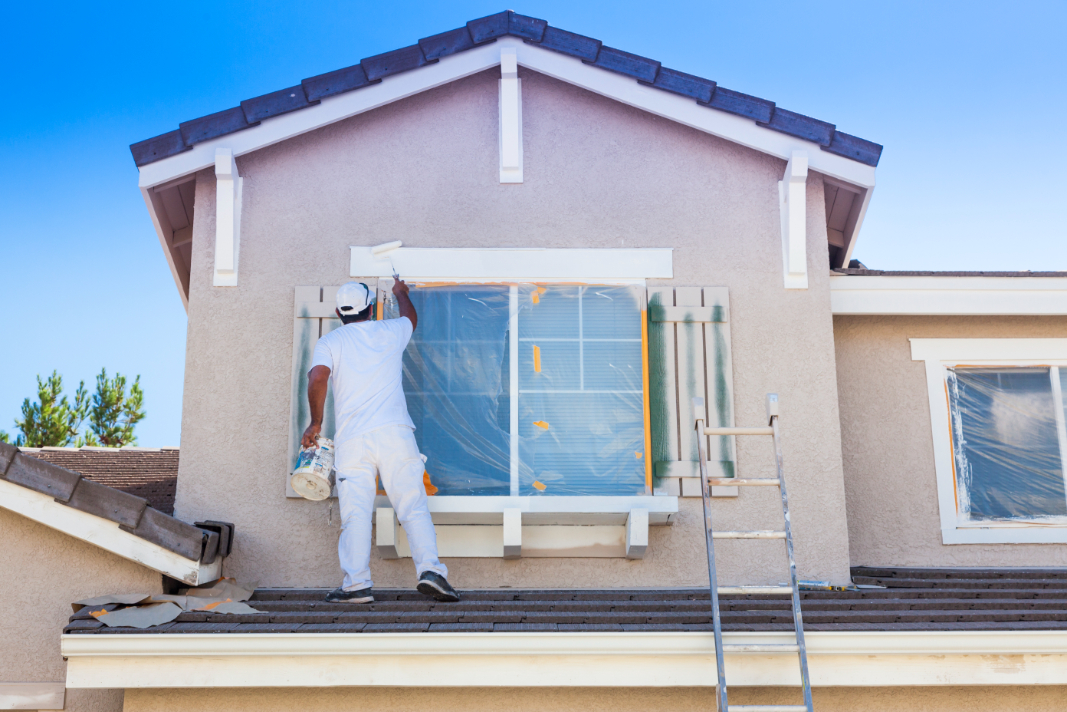
The Austin Homeowner’s Definitive Guide to Exterior Painting: Elevating Your Home’s Aesthetic & Resilience
Your home, in the vibrant tapestry of Austin, is more than just an address; it is a living entity, breathing under the vast Texas sky. Its exterior, the very skin it presents to the world, endures a ceaseless dialogue with the elements: the relentless, golden sun that bathes the city in its warmth, the sudden, dramatic downpours that cleanse the air, and the gentle breezes that whisper through the Live Oaks. To consider exterior painting for your Austin home is to contemplate an act of profound care, a strategic investment that transcends mere aesthetics, delving into the very resilience and longevity of your most significant asset. This comprehensive guide will illuminate the intricate process, revealing why an expert approach to exterior painting in Austin is not just advisable, but essential for safeguarding your dwelling’s beauty and structural integrity for years to come.
Chapter 1: The Soul of Your Home’s Exterior – Why Austin Demands Special Attention
(Keywords: Austin climate challenges, exterior paint durability, Texas weather impact, UV radiation, humidity effects, stucco painting Austin, cedar siding maintenance)
Your Austin home, whether it’s a charming bungalow nestled in Zilker, a modern marvel in Westlake, or a historic gem in Hyde Park, faces a distinct set of environmental pressures. Unlike regions with milder, more predictable climates, Austin’s weather pattern is a symphony of extremes that can swiftly diminish the vitality of an unprotected exterior.
The Tyranny of the Sun: The Texas sun, a relentless golden orb, descends with a singular intensity upon your home, baking its surfaces, drawing out moisture, and relentlessly challenging the integrity of its skin. This ceaseless UV radiation is the primary culprit behind faded colors, chalking, and the premature breakdown of paint films. You’ll notice how quickly vibrant hues can mute, and how surfaces once smooth begin to develop a powdery residue, all testament to the sun’s quiet, persistent work.
The Dance of Humidity and Heat: Beyond the sun, Austin’s characteristic humidity, particularly during the long, languid summers, creates an environment ripe for moisture-related issues. Trapped moisture beneath an improperly applied or compromised paint layer can lead to blistering, peeling, and the insidious growth of mold and mildew. This is especially pertinent for homes with siding materials like wood or stucco, which are naturally more porous and susceptible to moisture absorption. The expansion and contraction of these materials under fluctuating temperatures and humidity levels add another layer of stress to the paint, demanding a coating that possesses exceptional flexibility and breathability.
Sudden Storms and Wind Shear: While the sun holds court for much of the year, Austin is no stranger to sudden, violent thunderstorms. The torrential rains, often accompanied by strong winds and even hail, can batter exterior surfaces, eroding paint films and exposing underlying materials to water damage. A high-quality, expertly applied paint job acts as your home’s first line of defense, a resilient barrier against these tumultuous deluges.
The Diverse Canvas of Austin Homes: Austin’s architectural landscape is wonderfully eclectic. You’ll find everything from classic brick and limestone, which primarily require trim painting, to expansive stucco surfaces, rustic cedar siding, and modern composite materials. Each of these substrates reacts differently to the climate and requires a specific type of paint and preparation. Stucco, for instance, demands a breathable, elastomeric paint that can accommodate its inherent movement and prevent cracking, while cedar siding benefits from stains or paints that allow the wood to breathe and resist moisture entrapment. Understanding these nuances is paramount to a lasting finish.
Ultimately, choosing to paint your Austin home’s exterior is an act of foresight. It’s an acknowledgment of these environmental realities and a proactive step towards preserving your property’s aesthetic appeal, enhancing its energy efficiency, and fortifying its structural integrity against the relentless ballet of Austin’s climate.
Chapter 2: The Opportune Moment – When to Paint Your Austin Home
(Keywords: Best time to paint Austin, optimal painting weather, temperature for painting, humidity levels for exterior paint, seasonal painting tips, avoiding rain for painting)
Just as a master chef knows the precise moment to introduce an ingredient to achieve culinary perfection, so too does a seasoned painter understand the delicate balance of conditions required for an immaculate and enduring exterior paint job. In Austin, where the weather can pivot with the capriciousness of a sudden summer storm, timing is not merely a suggestion but a critical determinant of success.
The Golden Window: Spring and Fall
The most benevolent periods for exterior painting in Austin typically unfold during the mild embrace of Spring (March to May) and the crisp clarity of Fall (September to November). During these seasons, you are most likely to encounter:
- Moderate Temperatures: Ideally, paint should be applied when temperatures are consistently between 50°F and 90°F (10°C to 32°C). This range allows the paint to cure properly, fostering optimal adhesion and durability. Temperatures too low can prevent proper drying and curing, leading to bubbling or uneven finishes. Conversely, excessively high temperatures can cause the paint to dry too quickly, resulting in lap marks, poor adhesion, and premature failure.
- Lower Humidity Levels: While Austin is generally humid, spring and fall often offer periods of lower relative humidity. High humidity can significantly extend drying times, leaving the paint vulnerable to dust, insects, and moisture entrapment, which can later lead to blistering or mildew. Aim for humidity levels below 85%.
- Reduced Precipitation: While sudden showers are always a possibility, spring and fall generally present fewer prolonged periods of heavy rain compared to summer. Painting on a dry surface is non-negotiable, and allowing adequate drying time between coats (and before any rain) is crucial.
Navigating Austin’s Summer and Winter:
- Summer (June to August): While tempting due to longer daylight hours, Austin summers are often fraught with intense heat, oppressive humidity, and frequent afternoon thunderstorms. Painting in direct, scorching sun can cause paint to dry too rapidly on the surface, preventing proper bonding and leading to premature failure. If painting in summer is unavoidable, consider starting early in the morning, focusing on shaded areas, and being acutely aware of the forecast for afternoon storms.
- Winter (December to February): Austin winters are generally mild, but occasional cold snaps can drop temperatures below the ideal range. While there are low-temperature paints available, they typically perform best when ambient temperatures remain consistently above freezing. Furthermore, shorter daylight hours limit the window for work and drying.
The Art of Observation: Beyond the calendar, cultivate a keen eye for the micro-climate around your home. Observe which sides receive the most sun, when they are shaded, and how air circulates. A truly expert painter will conduct a thorough assessment of your property, taking into account not just the day’s forecast, but the cumulative effect of recent weather patterns on your home’s surfaces. They understand that patience, particularly in Austin, is a virtue that yields the most enduring and beautiful results.
Chapter 3: The Canvas of Color – Choosing Your Palette Wisely
(Keywords: Exterior paint colors Austin, color theory for homes, historical Austin colors, HOA color guidelines, light reflection colors, curb appeal colors, color psychology exterior)
The selection of your home’s exterior color is perhaps the most personal and impactful decision in the entire painting process. It is a visual whisper, a declaration of your home’s personality to the neighborhood, and a profound influence on its perceived warmth, scale, and character. In Austin, where architectural styles range from the historic to the avant-garde, and where the natural light possesses a distinct luminosity, this choice takes on an even greater significance.
The Language of Light and Shadow:
Consider how Austin’s unique light interacts with color. The intense sunlight can make colors appear lighter and more saturated than they do on a paint chip in a shaded interior. Darker colors absorb more heat, which can be a factor in energy efficiency and paint longevity in the Texas sun. Lighter colors reflect more light, potentially keeping your home cooler and appearing larger.
Harmonizing with Your Surroundings:
Your home does not exist in isolation. Its color should engage in a harmonious dialogue with:
- Fixed Elements: The color of your roof, the stone or brick accents, existing pathways, and even the surrounding landscaping are immutable elements that must be considered. Are they warm or cool in tone? Do they lean traditional or contemporary?
- Neighborhood Aesthetic: While your home is unique, it is part of a larger community. Are there HOA guidelines that dictate color palettes? Does the neighborhood lean towards certain styles (e.g., historic, modern, rustic)? While you want your home to stand out, you also want it to belong.
- Architectural Style: A Victorian home in Hyde Park will naturally lend itself to a different palette than a sleek, modern build in Tarrytown. Embrace your home’s inherent architectural language. Traditional homes often benefit from classic, muted tones, while modern homes can sometimes pull off bolder, more unexpected statements.
The Psychology of Color:
Colors evoke emotions and perceptions.
- Warm Colors (Reds, Oranges, Yellows): Can make a home feel inviting and cheerful, but can also appear more dominant.
- Cool Colors (Blues, Greens, Purples): Often convey a sense of calm, sophistication, and blend well with natural surroundings.
- Neutrals (Grays, Beiges, Whites): Offer timeless elegance, versatility, and allow architectural details or landscaping to shine. They are often used as a base, with bolder accents.
Testing, Testing, 1, 2, 3…
Never, ever choose a color solely from a small paint chip. The light in your home, the way it interacts with surrounding elements, and the sheer scale of an exterior surface will dramatically alter its appearance.
- Purchase Sample Pots: Apply large swatches (at least 2×2 feet) of your top contenders on different sides of your home.
- Observe Throughout the Day: Watch how the color changes from morning sun to afternoon shade, and even under different weather conditions. A color that looks perfect at noon might appear stark or dull at dusk.
- Consider a Professional Consultation: Many expert painting companies offer color consultation services. A seasoned professional can offer invaluable insights, drawing upon years of experience with Austin homes and an understanding of how colors perform under local conditions. They can help you avoid costly mistakes and guide you towards a palette that truly elevates your home.
Choosing the right color is a journey of discernment, a slow unfolding of possibilities that culminates in a hue that speaks to your soul and allows your Austin home to truly shine.
Chapter 4: The Unseen Foundation – Meticulous Preparation
(Keywords: Exterior house prep, power washing Austin, scraping loose paint, sanding surfaces, primer application, caulking cracks, minor repairs before painting, surface cleaning exterior)
Before the first brushstroke of fresh paint graces your home’s exterior, a profound and often laborious ritual must unfold: preparation. This phase, frequently underestimated by the uninitiated, is the silent architect of a lasting, beautiful finish. It is here that the true craftsmanship of exterior painting reveals itself, a testament to patience, precision, and an unwavering commitment to excellence. Without meticulous preparation, even the highest quality paint will fail prematurely, peeling, blistering, or simply failing to adhere, leaving you with a costly and disheartening result.
The Dignity of the Dirty Work:
- Cleaning – The Baptism of the Surface:
- Power Washing: This is the foundational step. A professional power wash (or careful DIY) removes layers of accumulated dirt, grime, mildew, chalking, and loose paint particles. The goal is to create a clean, receptive surface for the new paint. Care must be taken to use appropriate pressure for different materials (e.g., lower pressure for wood siding, higher for concrete or brick) to avoid damage. Mildew and algae may require a specific cleaning solution to ensure their complete eradication.
- Hand Cleaning: For delicate areas or stubborn spots, hand scrubbing with a cleaner might be necessary to ensure every inch is pristine.
- Scraping and Sanding – Smoothing the Path:
- Scraping: Any loose, flaking, or peeling paint must be meticulously scraped away. This prevents the new paint from simply adhering to unstable old paint, which would inevitably lead to failure. This process can be labor-intensive, especially on older homes with multiple layers of paint.
- Sanding: Once scraped, rough edges and uneven surfaces should be sanded smooth. This creates a uniform profile, allowing the new paint to lay down flawlessly. Feathering the edges of old paint helps blend new and old layers, preventing unsightly lines. Sanding also improves paint adhesion by lightly abrading the surface.
- Repair and Restoration – Mending the Wounds:
- Caulking and Sealing: Cracks, gaps, and holes around windows, doors, trim, and siding joints are not just aesthetic flaws; they are entry points for moisture. High-quality exterior-grade caulk should be applied to seal these vulnerabilities, preventing water intrusion and improving energy efficiency.
- Minor Repairs: Replace rotten wood, patch stucco cracks, fill nail holes, and address any other minor structural imperfections. Paint is a protective coating, not a structural repair agent. Addressing these issues beforehand ensures the integrity of the substrate.
- Priming – The Adhesive Embrace:
- The Unsung Hero: Primer is often overlooked but is absolutely critical. It serves multiple vital functions:
- Adhesion: It creates a strong bond between the substrate and the topcoat, ensuring paint longevity.
- Uniformity: It seals porous surfaces (like new wood or patched areas) and provides a consistent base, preventing the topcoat from soaking in unevenly and causing blotchiness.
- Stain Blocking: Specific primers can block stains from bleeding through the new paint (e.g., tannin bleed from cedar).
- Enhanced Durability: It contributes to the overall durability and protective qualities of the paint system.
- Type Matters: The choice of primer depends on the substrate and the condition of the surface. Oil-based primers are excellent for stain blocking and adhesion on wood, while latex primers are versatile and good for various surfaces.
- The Unsung Hero: Primer is often overlooked but is absolutely critical. It serves multiple vital functions:
Each of these preparatory steps, performed with diligence and expertise, lays the groundwork for a finish that is not only beautiful to behold but also resilient against the unique challenges of the Austin climate. It is the unseen foundation that grants your home’s new skin its lasting vitality.
Chapter 5: The Alchemist’s Brew – Understanding Paint Types & Finishes
(Keywords: Best exterior paint Austin, acrylic latex paint, oil-based exterior paint, paint primers, exterior paint finishes, flat paint exterior, satin paint exterior, semi-gloss exterior, UV resistant paint, durable exterior paint)
Choosing the right paint for your Austin home is akin to selecting the perfect vintage wine; it requires an understanding of its composition, its aging potential, and how it will perform under specific conditions. Modern exterior paints are sophisticated formulations, engineered to withstand the relentless assault of sun, rain, and temperature fluctuations. For your Austin residence, this choice is paramount, influencing not only the aesthetic outcome but the longevity and protective qualities of your home’s new skin.
The Two Dominant Potions: Latex vs. Oil-Based
- Acrylic Latex Paints (Water-Based):
- The Modern Champion: This is the most popular choice for exterior painting today, and for good reason, especially in Austin.
- Pros:
- Flexibility: Superior elasticity allows it to expand and contract with the house materials (wood, stucco, fiber cement) without cracking or peeling, a crucial advantage in Austin’s fluctuating temperatures.
- Breathability: Allows moisture vapor to escape from within the wall, reducing the risk of blistering and mildew growth.
- UV Resistance: Excellent color retention and fade resistance, vital under the intense Texas sun.
- Ease of Cleanup: Cleans up with water, making it more user-friendly.
- Low VOCs: Generally lower in volatile organic compounds, making them more environmentally friendly and safer to work with.
- Fast Drying: Allows for quicker recoating, speeding up project completion.
- Cons: Not ideal for chalky surfaces unless a specific primer is used. Can sometimes be less durable on very high-traffic areas or surfaces prone to extreme abrasion.
- Best For: Almost all exterior surfaces in Austin, including wood siding, stucco, fiber cement, brick (if painting brick), and aluminum siding.
- Oil-Based Paints (Alkyd):
- The Traditional Workhorse: Once the undisputed king, oil-based paints still have their niche applications.
- Pros:
- Hard, Durable Finish: Creates a very hard, tough, and durable surface that is resistant to scratches and scuffs.
- Excellent Adhesion: Bonds exceptionally well to challenging surfaces, including previously oil-painted surfaces, and often provides superior adhesion to bare wood and metal.
- Smooth Finish: Tends to level out nicely, minimizing brush marks.
- Cons:
- Less Flexible: Can become brittle over time and crack/chip, especially on surfaces that expand and contract.
- Slower Drying: Extended drying times can leave the surface vulnerable to dust and insects.
- Higher VOCs: Stronger odor and more harmful fumes, requiring excellent ventilation.
- Cleanup: Requires mineral spirits for cleanup.
- Yellowing: White oil paints can yellow over time, especially in areas with low light exposure.
- Best For: Trim, doors, metal railings, and surfaces that demand a very hard, durable finish or have been previously painted with oil-based paint.
The Veil of Finish: Beyond the Color
The sheen or finish of your exterior paint also plays a significant role, affecting not only the appearance but also the durability and ease of cleaning. Generally, the higher the sheen, the more durable and washable the surface.
- Flat/Matte:
- Appearance: No sheen, non-reflective.
- Pros: Excellent at hiding surface imperfections (dents, bumps, patches). Provides a sophisticated, soft look.
- Cons: Less durable, harder to clean, can absorb dirt more easily.
- Best For: Main body of the house, especially if surfaces have minor imperfections or if you desire a classic, understated look.
- Satin:
- Appearance: Soft, subtle sheen, often described as eggshell.
- Pros: More durable and washable than flat. Offers a good balance between hiding imperfections and providing durability. Very popular for exteriors.
- Cons: Can show very minor imperfections more than flat.
- Best For: Main body of the house, trim, doors. A versatile choice for most Austin homes.
- Semi-Gloss:
- Appearance: Noticeable sheen, reflective.
- Pros: Highly durable, very easy to clean, excellent for accentuating architectural details.
- Cons: Shows imperfections more readily.
- Best For: Trim, doors, window frames, railings, shutters – areas that see more wear and tear or where you want a crisp, defined look.
- Gloss:
- Appearance: High sheen, very reflective.
- Pros: Extremely durable and washable. Creates a dramatic, high-impact look.
- Cons: Magnifies every imperfection on the surface.
- Best For: Front doors, shutters, specific architectural accents where you want a bold statement.
Choosing the right paint and finish is a nuanced decision that an expert painting contractor will guide you through, considering your home’s specific needs, your aesthetic desires, and the unique environmental demands of Austin.
Table 1: Common Exterior Paint Types – A Comparative Glance
| Paint Type | Key Characteristics | Pros | Cons | Best Use Case |
|---|---|---|---|---|
| Acrylic Latex | Water-based, highly flexible, breathable. | Excellent flexibility (resists cracking/peeling), UV resistant, good color retention, easy cleanup, low VOC. | Not ideal for chalky surfaces without primer. | Most exterior surfaces: wood siding, stucco, fiber cement, brick. Ideal for Austin’s climate. |
| Oil-Based | Alkyd resin, solvent-based, hard finish. | Very hard, durable finish, excellent adhesion, good leveling. | Less flexible (can crack/chip), slower drying, high VOCs, requires mineral spirits for cleanup, whites can yellow. | Trim, doors, metal railings, previously oil-painted surfaces. |
Chapter 6: The Art of Application – Brushes, Rollers, and Sprayers
(Keywords: Exterior painting techniques, proper paint application, brush strokes, roller technique, paint sprayer benefits, coats of paint, drying time between coats, professional painting methods)
Once the meticulous preparation is complete and the perfect paint has been chosen, the actual application begins. This is where the theoretical knowledge of paint meets the practical artistry of the painter. It’s a rhythmic process, where precision, technique, and patience coalesce to transform your home’s exterior. While it might appear straightforward, the nuanced application of paint is what separates a mediocre job from a truly exceptional one.
The Tools of Transformation:
- Brushes – The Precision Instruments:
- Purpose: Brushes are indispensable for detailed work, cutting in around windows, doors, and trim, reaching tight corners, and applying paint to intricate architectural features.
- Technique: Proper brush technique involves loading the brush adequately but not excessively, applying even pressure, and using smooth, overlapping strokes to ensure uniform coverage without drips or runs. The direction of the brushstrokes should follow the grain of the wood or the natural lines of the surface.
- Types: High-quality synthetic brushes are generally preferred for latex paints, while natural bristle brushes are better for oil-based paints.
- Rollers – The Coverage Giants:
- Purpose: Rollers are ideal for covering large, flat surfaces quickly and efficiently, such as siding panels or stucco walls.
- Technique: The “W” or “M” pattern is often used to distribute paint evenly before filling in the pattern with straight, overlapping strokes. Consistent pressure and avoiding over-rolling are key to preventing uneven textures or thin spots.
- Naps: The nap (thickness of the roller cover) must be chosen carefully based on the surface texture. Shorter naps (e.g., 3/8-inch) are for smooth surfaces, while longer naps (e.g., 3/4-inch or 1-inch) are necessary for textured surfaces like stucco or rough wood.
- Paint Sprayers – The Efficiency Maestros:
- Purpose: Airless paint sprayers are commonly used by professional painters for their speed and ability to deliver a remarkably smooth, even finish over large areas. They are particularly effective for textured surfaces where brushes and rollers might struggle to achieve full coverage.
- Technique: Spraying requires significant skill and experience. Proper technique involves maintaining a consistent distance from the surface, overlapping passes by about 50%, and moving the sprayer in a steady, even motion to avoid streaks, drips, or excessive buildup.
- Pros: Fast application, excellent finish quality (no brush marks), good for textured surfaces.
- Cons: Requires extensive masking and preparation to protect unpainted surfaces, more paint waste due to overspray, steeper learning curve, potential for environmental overspray if not managed correctly.
The Crucial Dance of Coats and Drying Times:
- Two Coats are Standard: For most exterior painting projects, two coats of paint are the industry standard and highly recommended. The first coat provides adhesion and initial coverage, while the second coat builds depth of color, enhances durability, and ensures full protection against the elements. Skipping the second coat often leads to a shorter lifespan for the paint job and can leave the surface vulnerable.
- Adhering to Drying Times: This is perhaps the most critical aspect of application. Every paint product specifies a recommended “recoat time” – the minimum period before a second coat can be applied. Ignoring this can lead to issues like bubbling, peeling, or a compromised finish. Factors like temperature, humidity, and airflow all influence actual drying times. A professional painter constantly monitors these conditions, ensuring each coat cures sufficiently before the next is applied.
The rhythmic hum of the sprayer, the satisfying glide of the roller, and the meticulous dance of the brush – these are the movements that bring your vision to life. Applied with expertise and patience, they ensure that the paint not only transforms your home’s appearance but also forms an impenetrable shield against the relentless Austin elements.
Chapter 7: Beyond the Brushstroke – Post-Painting Care & Maintenance
(Keywords: Exterior paint maintenance, cleaning painted surfaces, touch-up paint, longevity of exterior paint, annual home inspection, protecting paint finish, extending paint life)
The completion of your exterior painting project is not the final chapter, but rather the beginning of a new narrative for your home. Like a well-tended garden or a cherished piece of furniture, the enduring beauty and protective qualities of your new paint depend on ongoing care and mindful maintenance. A freshly painted Austin home, gleaming under the Texas sun, deserves a watchful eye to ensure its longevity and continued resilience against the elements.
The Quiet Vigilance:
- Allowing Proper Curing: While paint may feel dry to the touch within hours, it undergoes a chemical process called “curing” that can take weeks, or even up to a month, to achieve its full hardness and durability. During this period, be gentle with the newly painted surfaces. Avoid leaning ladders,