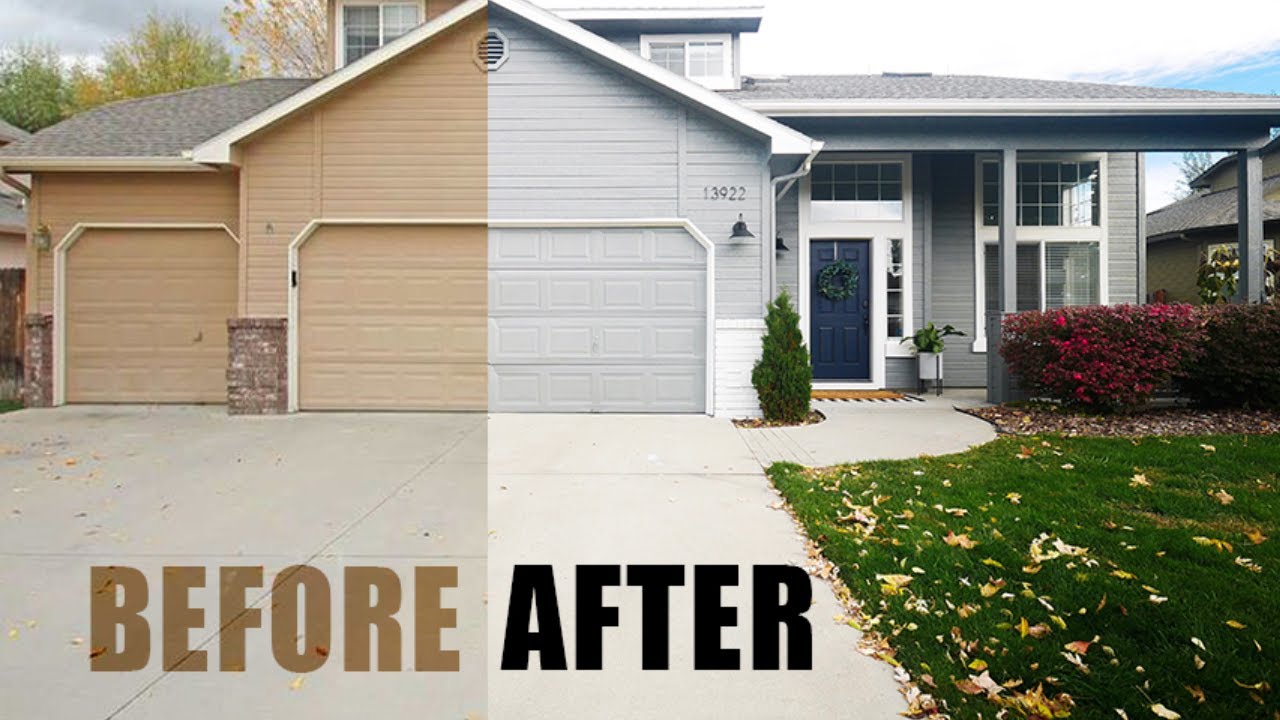
The Silent Symphony of Stone and Siding: Your Definitive Austin Exterior House Painting Masterclass
Your home, much like an old friend, stands sentinel against the elements, a silent witness to countless sunrises and the soft descent of twilight. It holds your memories, shelters your dreams, and, in its very essence, reflects a part of your soul. Yet, even the most steadfast companion shows the passage of time. The vibrant hue that once sang a clear, bright note might now appear muted, perhaps a little weary under the relentless gaze of the Texas sun, or subtly bruised by the quiet seep of humidity.
This guide is not merely a list of instructions; it is an invitation to partake in an act of profound restoration, a journey into the meticulous art and the pragmatic science of exterior house painting in Austin. Here, in this city of vibrant contrasts – where the ancient limestone meets the contemporary gleam, and the sprawling oaks cast long, benevolent shadows – the act of painting your home’s exterior is far more than a simple aesthetic refresh. It is a vital conversation between your dwelling and its environment, a reassertion of its strength, and a rediscovery of its inherent beauty. You are embarking on a transformative process, one that promises not just a new coat of paint, but a renewed spirit for the place you call home.
As you step into this endeavor, you will discover that the true mastery lies not just in the final stroke, but in the patient, deliberate preparation, the nuanced understanding of color, and the respect for the unique challenges and blessings that Austin’s distinct climate presents. Let us begin this journey together, uncovering the layers, and ultimately, revealing the radiant potential that lies beneath.
The Whispering Walls: Understanding Your Home’s Unique Needs
Before the first whisper of a new color can even be contemplated, you must first listen to your home. Its walls, its eaves, its very foundations, are communicating their history, their weariness, and their specific needs. This initial, almost meditative, inspection is the cornerstone of a successful exterior painting project. It is here that you begin to understand the narrative of your dwelling, reading the subtle clues left by time and weather.
Keywords for this section: Austin home inspection, exterior paint assessment, identifying paint damage, Austin climate impact on homes, understanding home surfaces, moisture damage Austin.
Begin your observation from a distance, perhaps from the street, allowing your gaze to sweep across the entire façade. What story does it tell? Are there areas where the paint has surrendered its grip, flaking away like old memories? Do you notice the subtle green stain of algae or the tell-tale black streaks of mildew, particularly on the north-facing sides or beneath eaves where moisture tends to linger? These are the first, most obvious signs that your home is yearning for attention.
Now, draw closer. Approach each wall as if it were a canvas holding intricate details. Run your hand along the surfaces. Does the existing paint feel chalky, leaving a fine dust on your fingers? This is a sign of oxidation, a common phenomenon under the intense Austin sun, indicating that the paint’s protective qualities are diminishing. Look for cracks – hairline fissures in stucco or larger splits in wood siding. These are not merely cosmetic flaws; they are open invitations for moisture to infiltrate, potentially leading to more significant damage to the underlying structure.
Pay particular attention to areas around windows, doors, and trim. The caulk, which seals these vulnerable points, often deteriorates over time, becoming brittle and cracked. This loss of elasticity creates pathways for water, which, if left unaddressed, can lead to wood rot or mildew growth within the walls – a silent, insidious threat to your home’s integrity.
Consider the materials your home is built from. Is it the classic Austin limestone, demanding a different approach than a home clad in cedar siding? Are there areas of stucco, which require specific preparation and paint types to maintain their breathable nature? Or perhaps your home boasts modern fiber cement siding, a durable material that nonetheless benefits immensely from a high-quality, flexible paint coat. Each material has its own unique characteristics and its own way of interacting with the paint you choose. Understanding these nuances will guide your preparation and paint selection, ensuring that the new coat adheres properly and performs optimally for years to come.
Finally, contemplate the relentless Austin climate. Our summers are long, hot, and humid, challenging the endurance of any exterior finish. The intense UV radiation can break down paint pigments and binders, leading to fading and chalking. The sudden, torrential downpours, often accompanied by strong winds, can test the water resistance of your exterior. And while we cherish our mild winters, the occasional freeze-thaw cycle can also put stress on paint films, especially if moisture has found its way underneath. Your assessment, therefore, must be a comprehensive one, taking into account not just what you see, but also the environmental forces that continuously sculpt your home’s exterior.
The Alchemist’s Preparation: Laying the Foundation for Longevity
The true magic in painting, the secret to its enduring beauty, lies not in the vibrant splash of color, but in the quiet, painstaking ritual of preparation. This stage is akin to an alchemist’s meticulous work, transforming raw elements into a pure foundation upon which beauty can securely rest. Skipping or rushing this phase is an invitation for premature failure, a fading dream of a perfect finish that cracks and peels before its time. You are not just preparing a surface; you are preparing a promise of durability.
Keywords for this section: Exterior paint preparation Austin, power washing home Austin, scraping peeling paint, exterior wood repair, caulking cracks, priming exterior surfaces, protecting landscaping for painting.
1. The Cleansing Ritual: Power Washing & Mildew Removal
Imagine your home shedding its old skin, revealing the clean, receptive surface beneath. This is the purpose of thorough cleaning. For most homes in Austin, power washing is the most efficient method. However, it’s a tool that demands respect and a gentle hand. Too much pressure can damage siding, blast away caulk, or even force water behind the exterior, creating more problems than it solves. A professional understands the delicate balance: enough pressure to dislodge dirt, grime, and loose paint, but not so much as to harm the substrate.
For the pervasive green and black stains of algae and mildew, a simple water spray is often insufficient. These are living organisms that must be eradicated, not just rinsed away. A solution of bleach and water (or an eco-friendly alternative) applied with a low-pressure sprayer or a soft brush, followed by a thorough rinse, will sterilize the surface, preventing these unsightly growths from reappearing through your fresh paint coat. Allow ample time for the surface to dry completely – typically 24-48 hours, depending on Austin’s humidity levels – before proceeding to the next step. Moisture trapped beneath paint is a recipe for disaster.
2. The Unveiling: Scraping and Sanding
Once dry, the true condition of the old paint becomes apparent. Areas that were merely loose might now be peeling in earnest. This is where the patient work of scraping begins. Use high-quality scrapers to remove all loose, peeling, or blistering paint. Every flake, every brittle edge, must be meticulously removed. Think of it as carefully excising the imperfections, leaving only the sound, well-adhered paint behind.
After scraping, a light sanding will feather the edges of the remaining old paint, creating a smooth transition to the bare wood or substrate. This step is crucial for achieving that seamless, professional finish. It also helps to improve the adhesion of new paint, giving it a slightly roughened surface to grip onto.
3. The Healing Touch: Repairs and Caulking
Now, address the wounds your home has accumulated. Fill minor cracks and nail holes with an exterior-grade wood filler or spackle. For larger holes or areas of rot, more extensive repairs might be necessary, perhaps even replacing sections of siding or trim.
The most critical repair work involves caulking. Remember those cracked caulk lines around windows, doors, and trim? Now is the time to remove the old, degraded caulk and apply fresh, high-quality, paintable acrylic latex caulk with silicone. This creates a flexible, watertight seal, protecting your home from moisture intrusion and preventing future paint failure at these vulnerable points. Apply a smooth, continuous bead, ensuring it fills the gap completely. This is a small detail with immense impact on the longevity of your paint job.
4. The Silent Promise: Priming
Priming is often the most undervalued step, yet it is the silent promise of durability and color vibrancy. Think of primer as the intermediary, a specialized layer designed to bridge the gap between the prepared substrate and the finish coat.
- Adhesion: Primer creates a uniform surface for the topcoat to adhere to, especially on bare wood or patched areas, preventing uneven absorption of paint.
- Sealing: It seals porous surfaces, ensuring that the topcoat achieves its intended coverage and color without being absorbed unevenly. This is particularly important for raw wood or stucco.
- Blocking Stains: Certain primers are formulated to block stains (like tannin bleed from cedar or redwood, or water stains) from bleeding through the new paint.
- Uniformity: It provides a consistent base color, which is essential for achieving true color accuracy, especially when switching from a dark color to a light one.
For Austin homes, given the varying substrates and potential for moisture, a high-quality acrylic latex primer is often the best choice, offering excellent adhesion, flexibility, and resistance to mildew. Apply it evenly, allowing ample drying time as per the manufacturer’s instructions.
5. The Protective Embrace: Masking and Drop Cloths
Finally, before the painting truly begins, you must protect what you do not wish to paint. This involves meticulous masking of windows, doors, light fixtures, and any unpainted surfaces that could receive accidental overspray or drips. Use painter’s tape and plastic sheeting. For landscaping, lay down drop cloths or tarps to protect plants and walkways from paint splatters. This step not only saves countless hours of cleanup but also demonstrates a respect for your property and the surrounding environment.
Through this meticulous preparation, you are not merely preparing a surface; you are cultivating a canvas, ready to receive its new identity, ensuring that the colors you choose will sing truly and beautifully for years to come.
The Palette of Possibilities: Choosing Your Home’s New Skin
Here, in the heart of the project, you become an artist, an arbiter of light and shadow, and a guardian of harmony. Choosing the right colors for your home’s exterior is a nuanced decision, one that balances personal taste with architectural integrity, neighborhood context, and the unique atmospheric conditions of Austin. This is where the aesthetic vision truly begins to coalesce.
Keywords for this section: Exterior house colors Austin, paint color trends Austin, choosing paint sheen, durable exterior paint, Austin architectural styles, color consultation Austin, paint types for Austin climate.
1. The Language of Color: Theory and Psychology
Colors are not merely visual; they evoke feelings, memories, and associations.
- Warm Colors (reds, oranges, yellows): Can make a home feel inviting, energetic, and prominent. They tend to advance, making the house appear closer.
- Cool Colors (blues, greens, purples): Often create a sense of calm, serenity, and sophistication. They tend to recede, making the house appear larger or more distant.
- Neutrals (grays, beiges, whites): Provide a timeless elegance, serving as a versatile backdrop that allows architectural details or landscaping to shine. They are safe, yet can be incredibly striking when paired with thoughtful accents.
Consider the mood you wish your home to convey. Do you desire a vibrant, welcoming presence, or a serene, understated elegance?
2. The Architectural Conversation: Matching Style to Hue
Your home’s architectural style is a crucial guide in color selection.
- Victorian Homes: Often embrace multi-color schemes, highlighting intricate trim and decorative elements.
- Craftsman Bungalows: Tend to favor earthy, muted tones – greens, browns, and deep reds – that blend harmoniously with natural surroundings.
- Mid-Century Modern Homes: Often look striking with bold accents against neutral backgrounds, or a single, strong color that complements their clean lines.
- Traditional Austin Homes (e.g., stone or brick facades): Often benefit from complementary colors for siding and trim that enhance, rather than compete with, the existing natural materials.
- Contemporary Homes: Can carry off a wider range of colors, from crisp whites and grays to unexpected, vibrant hues, depending on their specific design.
Walk around your neighborhood. Observe the successful color palettes on homes similar to yours. While you want your home to stand out, it should do so gracefully, contributing to the overall aesthetic fabric of your community.
3. Austin’s Unique Canvas: Light and Environment
The intense, clear light of Austin significantly impacts how colors are perceived. What looks like a soft beige in a paint swatches under fluorescent light might appear starkly yellow or washed out under the direct Texas sun.
- Fading: Darker colors, especially blues and reds, tend to fade more quickly under strong UV radiation. Consider lighter or more muted versions if longevity of color vibrancy is paramount.
- Reflection: Lighter colors reflect more light and can help keep your home cooler in the summer. Darker colors absorb more heat.
- Shadows: Observe how shadows fall on your home throughout the day. A color that looks perfect in direct sun might appear dull or gloomy in shaded areas.
Always test paint swatches on an inconspicuous part of your home’s exterior and observe them at different times of day, under varying light conditions. This is perhaps the most critical step in color selection.
4. The Palette’s Components: Body, Trim, and Accent
Most exterior paint schemes involve three primary components:
- Body Color: The dominant color of your home’s main walls.
- Trim Color: Used for window frames, door frames, fascias, and soffits. This can be a contrasting color to make these details pop, or a complementary color for a more subdued look.
- Accent Color: Used sparingly on features like the front door, shutters, or decorative elements to add a touch of personality and visual interest.
A well-balanced scheme creates depth and highlights architectural features.
5. The Paint’s Sheen: More Than Just Shine
The sheen, or gloss level, of the paint plays a significant role in both aesthetics and durability.
| Sheen Type | Characteristics | Best Use for Austin Exteriors |
|---|---|---|
| Flat | No shine, absorbs light, hides imperfections well. | Ideal for main body of siding, stucco, or areas where you want to minimize imperfections. Less durable, can show dirt more easily. |
| Eggshell | Very subtle sheen, like an eggshell, more durable than flat. | Good for siding and stucco, offers slightly better washability than flat while maintaining a low-key appearance. |
| Satin | Soft, velvety sheen, most common exterior choice. | Excellent for main body, trim, and doors. Provides good durability, easy to clean, and resists fading well. A versatile choice for most Austin homes. |
| Semi-Gloss | Noticeable shine, durable, easy to clean. | Best for trim, doors, railings, and areas that get a lot of wear or need frequent cleaning. Can highlight imperfections if not applied perfectly. |
| Gloss | High shine, very durable, most reflective. | Used for front doors, architectural details, or wrought iron. Can be too reflective for large surfaces and will highlight every imperfection. |
For Austin’s climate, satin and semi-gloss are often preferred for their balance of aesthetics and durability, offering better resistance to moisture and easier cleaning than flatter finishes.
6. The Paint’s Composition: A Shield Against the Elements
The type of paint you choose is paramount, especially given Austin’s climate.
- Acrylic Latex Paints: These are the workhorses of modern exterior painting. They are water-based, flexible (resisting cracking as your home expands and contracts with temperature changes), breathable (allowing moisture vapor to escape), resistant to fading, and easy to clean. For Austin, a high-quality 100% acrylic latex paint is generally the superior choice, offering excellent adhesion, mildew resistance, and UV protection.
- Oil-Based Paints: While once dominant, they are now less common for general exterior use due to their rigidity, slower drying times, and more difficult cleanup. They are sometimes used for priming bare wood or metal, or for specific applications where extreme hardness is required.
Invest in the best quality paint you can afford. The initial cost difference is minimal compared to the labor involved, and higher-quality paints offer superior durability, color retention, and protection, meaning your beautiful new exterior will last significantly longer. You are not just buying paint; you are investing in a protective skin for your home.
The Choreography of Application: Techniques for a Flawless Finish
With the meticulous preparation complete and the palette thoughtfully chosen, you arrive at the heart of the transformation: the application of color. This stage is a deliberate choreography of tools, technique, and timing, where each brushstroke and roller pass contributes to the seamless, enduring finish. It demands patience, precision, and an acute awareness of the environmental dance unique to Austin.
Keywords for this section: Exterior painting techniques, roller painting house, spray painting exterior, brush painting trim, painting in Austin weather, painting safety, multiple paint coats.
1. The Tools of the Trade: Your Extended Hand
The right tools are extensions of your intention, allowing for precise application and efficient coverage.
- Brushes: Essential for detail work, cutting in around trim, windows, and doors, and for intricate architectural features. Choose high-quality synthetic brushes for latex paints, as they hold more paint and provide smoother strokes.
- Rollers: Ideal for covering large, flat surfaces like siding. Different nap sizes are available: a shorter nap (3/8″ or 1/2″) for smoother surfaces, and a longer nap (3/4″ or 1″) for textured surfaces like stucco or rough wood.
- Paint Sprayers: For large, relatively unobstructed surfaces, a high-quality airless sprayer can provide a very fast, uniform, and smooth finish. However, spraying requires significant skill to avoid overspray and drips, and demands meticulous masking. While efficient, it often requires back-rolling or back-brushing to ensure proper adhesion and penetration into the surface, especially on porous materials.
2. The Dance of Application: Coats and Curing
Regardless of the tool, the technique remains paramount.
- Even Coats: Apply paint in thin, even coats. Avoid applying too thickly, as this can lead to drips, poor drying, and cracking. Two thinner coats are always superior to one thick coat, providing better durability, coverage, and color depth.
- Working Wet Edge: Maintain a wet edge, meaning you should always work into freshly applied paint before it starts to dry. This prevents lap marks, especially crucial on large, flat surfaces.
- Direction: For siding, work horizontally along the length of the boards. For vertical elements, work top-down to manage drips.
- Drying Times: Adhere strictly to the manufacturer’s recommended drying times between coats. Rushing this step, especially in Austin’s humidity, can trap moisture and lead to blistering or poor adhesion.
3. Austin’s Atmospheric Rhythm: Weather Considerations
Painting in Austin requires a keen eye on the weather, as it dictates the ideal window for application.
| Factor | Ideal Conditions for Painting (Austin, TX)