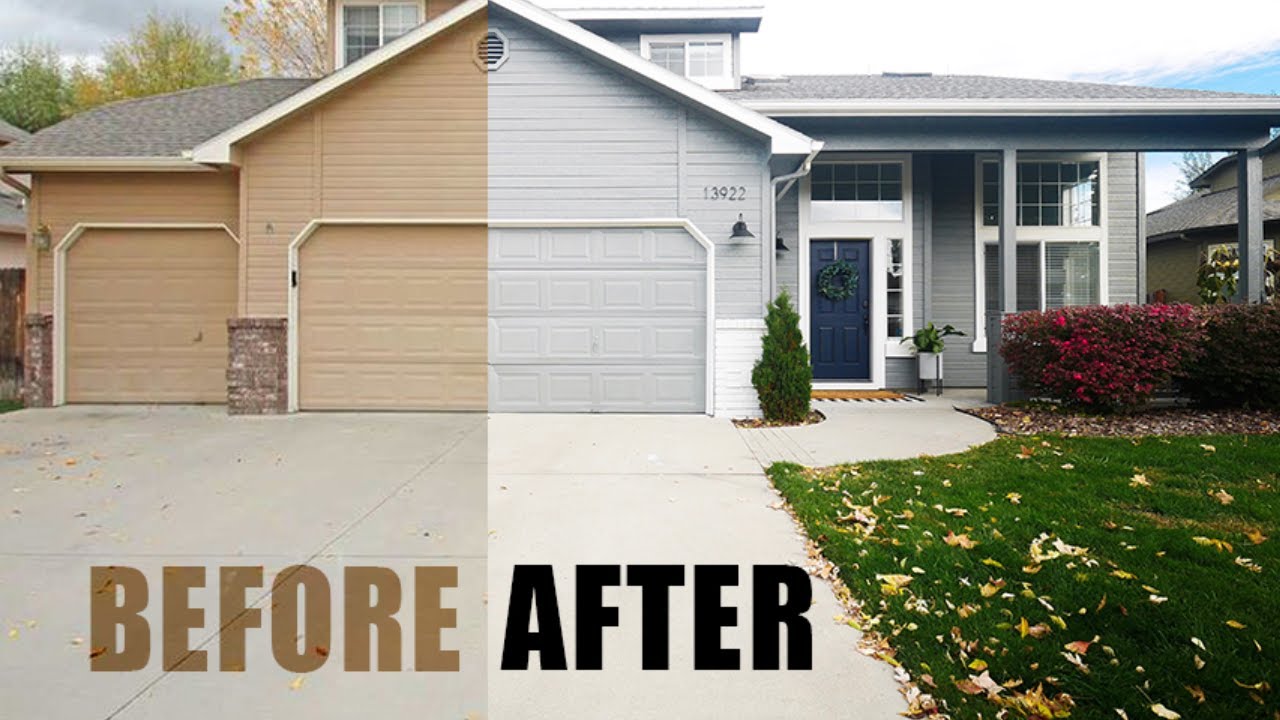
Beyond the Brushstroke: Expert House Painting Ideas for Your Home’s Exterior
exterior house painting, home aesthetics, expert painting advice, curb appeal, exterior color schemes, professional painting tips
There is a quiet, profound magic in the transformation of a home’s exterior, a subtle alchemy that transcends mere pigment and surface. Your house, after all, is not merely a structure of wood, brick, or stucco; it is a living entity, breathing under the vast sky, bearing witness to seasons and stories. It is the first embrace offered to a visitor, the steadfast anchor in your daily return. To paint its exterior is not just an act of maintenance, but a profound declaration of care, an artistic endeavor that weaves your personal narrative into the very fabric of your dwelling. It is a thoughtful conversation between structure and environment, a whisper of personality carried on the wind.
This undertaking, while seemingly straightforward, holds depths of nuance and meticulous consideration. It is a dance between practicality and poetry, demanding both the steady hand of a craftsman and the discerning eye of an artist. From the sun-drenched facade to the shadowed eaves, every surface, every angle, every interplay of light and shadow, beckons for a color that resonates, a finish that endures. Here, we delve into the world of exterior house painting, not merely as a chore, but as an opportunity for profound aesthetic renewal, guided by insights that elevate the mundane to the magnificent.
I. The Canvas Awaits: Understanding Your Home’s Exterior
Keywords: architectural style, landscape harmony, light interaction, home’s personality, exterior design elements, climate considerations
Before a single drop of paint touches the surface, a deeper understanding of your home as a unique canvas is paramount. You must first gaze upon it, not just with familiarity, but with a fresh, inquisitive eye, as if seeing it for the very first time. What story does its architecture tell? Is it a stately Victorian, a cozy Craftsman, a sleek Modernist design, or a charming Colonial revival? Each style carries its own historical whispers, its own inherent design language that often dictates suitable palettes. A vibrant, bold hue that might sing on a contemporary structure could feel jarring, almost disrespectful, on a more traditional facade, disrupting its innate dignity.
Consider, too, the surrounding landscape. Are you nestled amidst a verdant canopy of ancient trees, where dappled light filters through leaves, or does your home stand proud on an open plain, bathed in unfiltered sunlight? The natural world around your house — the deep greens of foliage, the muted browns of soil, the vibrant hues of seasonal blossoms, even the ever-changing sky — forms an organic backdrop that will either harmonize or clash with your chosen colors. A house painted in a cool blue might feel serene against a backdrop of towering pines, while the same blue could appear stark and out of place against arid, rust-colored earth.
The dance of light throughout the day also plays a crucial, often underestimated, role. A color chosen in the bright, unfiltered light of midday can appear entirely different under the soft glow of dawn or the warm embrace of twilight. North-facing walls, perpetually in shadow, might require lighter, warmer tones to prevent them from appearing gloomy, while south-facing walls, constantly bathed in intense sun, can absorb and reflect color more intensely, sometimes necessitating slightly muted or cooler shades to prevent overwhelming glare. Stand back at different times of day, observe, and allow the light to reveal the subtle truths of your home’s interaction with its environment. This contemplative observation, this patient understanding of your canvas, is the silent prelude to a truly inspired transformation.
II. The Symphony of Shades: Choosing Your Palette
Keywords: color psychology, warm tones, cool tones, neutral palette, accent colors, exterior trim colors, color selection tips, curb appeal colors
The selection of your exterior palette is perhaps the most exhilarating, yet potentially most daunting, aspect of the entire endeavor. It is here that the abstract realm of emotion meets the tangible world of architecture, where a carefully chosen hue can evoke feelings of warmth, serenity, drama, or sophistication. This is more than just picking a favorite color; it is about orchestrating a symphony of shades that will define your home’s character for years to come.
Begin by immersing yourself in the fascinating world of color psychology. What feeling do you wish your home to impart? A calming retreat? A vibrant hub of activity? A timeless classic?
- Warm Colors (Reds, Oranges, Yellows): These are the colors of sunshine, fire, and autumnal leaves. They exude energy, warmth, and a welcoming, often rustic, charm. They can make a home feel more prominent and inviting, but too much saturation can be overwhelming. Think muted terra cotta, buttery creams, or deep, rich barn reds.
- Cool Colors (Blues, Greens, Purples): Evoking the tranquility of the ocean, the serenity of a forest, or the mystery of twilight, cool colors tend to recede, making a home feel larger or more integrated with its natural surroundings. They offer a sense of calm and elegance. Consider soft sage greens, deep navies, or muted slate blues.
- Neutrals (Whites, Grays, Beiges, Browns): These are the quiet anchors, the sophisticated backdrops against which other colors can truly sing. They are timeless, versatile, and provide a sense of stability and understated elegance. Neutrals allow architectural details to shine and offer immense flexibility for landscaping and accent choices.
Beyond the main body color, your home also possesses its unique “trim” and “accent” features. The trim — window frames, door frames, eaves, corner boards — acts as the delicate lace around your home’s silhouette, outlining its features and adding definition. Often, a crisp white or a lighter shade of the body color is chosen for trim, providing contrast and visual crispness. Accent colors, typically reserved for the front door, shutters, or perhaps a porch ceiling, are where you can inject a bold splash of personality. This is your opportunity for a moment of delightful surprise, a punctuation mark in your home’s visual sentence. A vibrant red door on a gray house, a deep teal on a cream facade – these small bursts of color can elevate the entire composition.
It’s also wise to consider the historical context and regional trends of your area. In some historic districts, there might be guidelines, or simply a prevailing aesthetic, that subtly influences choices. Observing neighboring homes, not to copy, but to understand the visual dialogue of your street, can also be beneficial.
Ultimately, the best approach involves testing. Purchase several sample pots of your preferred colors and paint large swatches (at least 2×2 feet) on different sections of your house. Observe them throughout the day, in varying light conditions, under clear skies and overcast ones. This tangible experience, this direct interaction with the colors on your specific home, is invaluable. It removes the guesswork and allows the true character of each shade to reveal itself.
Here’s a brief guide to the emotional impact of different color families:
| Color Family | Common Associations | Exterior Home Vibe | Best Used For | Considerations |
|---|---|---|---|---|
| Neutrals | Calm, Stability, Elegance, Sophistication | Timeless, Understated, Versatile | Main body, trim | Can appear bland if not paired with thoughtful accents; allows landscaping to shine. |
| Warm Tones | Welcoming, Energetic, Cozy, Rustic | Inviting, Prominent, Homely | Main body (muted), accent doors | Can be overwhelming if too saturated; ideal for traditional or Mediterranean styles. |
| Cool Tones | Serene, Tranquil, Elegant, Expansive | Calm, Sophisticated, Integrated with nature | Main body, trim (muted), shutters | Can appear cold or stark in shadowy areas; best in softer, desaturated shades for large areas. |
| Greens | Nature, Growth, Harmony, Freshness | Organic, Earthy, Restful | Main body, shutters, trim | Wide range from vibrant to muted; versatile for many styles, especially Craftsman. |
| Blues | Calm, Trust, Stability, Peace | Serene, Classic, Coastal | Main body (soft), doors, shutters | Light blues can fade; dark blues can feel formal; excellent for traditional and coastal homes. |
| Reds/Oranges | Energy, Passion, Warmth, Boldness | Striking, Unique, Inviting | Accent doors, shutters, small architectural features | Use sparingly for accents; can be too intense for entire body unless highly muted (e.g., terra cotta). |
III. The Foundation of Beauty: Preparation is Paramount
Keywords: surface preparation, power washing, exterior repairs, primer application, mildew removal, scraping paint, caulking, masking techniques
The true artistry of exterior painting lies not merely in the application of color, but in the meticulous, often laborious, preparation that precedes it. This stage, though lacking the immediate gratification of seeing new color emerge, is the bedrock upon which the longevity and flawless finish of your paint job will rest. To neglect it is to build a magnificent house on shifting sand; the beauty will be fleeting, the effort ultimately undermined.
Your home’s exterior, exposed to the relentless elements, accumulates a myriad of contaminants over time: dirt, grime, mildew, algae, and pollutants. The first crucial step is a thorough cleaning. For most surfaces, a power washer is an indispensable tool, capable of stripping away years of accumulated filth. Handle it with care, however, as too much pressure can damage siding or force water into crevices. For stubborn mildew or algae, a cleaning solution specifically designed for exterior surfaces, often containing bleach, is necessary. Scrub vigorously with a stiff brush, ensuring every spore is eradicated, as mildew left behind will inevitably bloom through your new paint, marring its pristine surface.
Once clean, a patient inspection for damage is critical. Cracks, holes, rotting wood, and loose caulk are not merely cosmetic imperfections; they are potential entry points for moisture, the silent destroyer of homes.
- Scrape away all loose, peeling, or bubbling paint. This is where a sturdy scraper and wire brush become your allies, revealing the stable, adherent layers beneath. Sand any rough edges to create a smooth transition.
- Repair or replace any rotted wood. This might involve wood filler for minor issues or professional carpentry for more significant damage.
- Fill all cracks and holes with an exterior-grade spackle or wood filler, ensuring a smooth, seamless surface.
- Re-caulk around windows, doors, and any other seams where two different materials meet. Quality caulk creates a watertight seal, protecting your home from water intrusion and preventing unsightly cracks in your paint job as the house settles and shifts.
Finally, the noble act of priming. Primer is not merely a superfluous layer; it is the silent promise of adherence, the foundational bond between your home’s surface and the new paint. It creates a uniform surface for topcoats, enhances adhesion, blocks stains, and ensures true color rendition. For bare wood, patched areas, or surfaces with significant color changes, a high-quality exterior primer is absolutely essential. It prepares the very skin of your home, making it ready to receive its new cloak of color.
This rigorous preparation, while demanding, is an investment in time and effort that pays dividends in the enduring beauty and protection of your home.
IV. The Tools of the Trade: Equipping Your Endeavor
Keywords: painting tools, paint sprayer, roller techniques, safety equipment, drop cloths, paint brushes, extension poles, painter’s tape
Just as a master chef relies on finely honed knives, or a sculptor on perfectly weighted chisels, the quality of your painting tools profoundly influences the outcome of your exterior transformation. Investing in good equipment is not an extravagance but a necessity, ensuring a smoother application, greater efficiency, and a more professional finish.
Your primary applicators will be brushes, rollers, and potentially a paint sprayer.
- Brushes: For cutting in, detailing, and reaching tight spaces, a selection of high-quality synthetic brushes (for latex paints) or natural bristle brushes (for oil-based paints) is essential. Look for brushes with flagged tips and a comfortable handle; they hold more paint and provide a smoother, more controlled stroke. A 2.5-inch angled sash brush is a versatile workhorse for trim and corners.
- Rollers: For large, flat surfaces, rollers are indispensable. Choose a roller cover (nap) appropriate for your surface texture – a shorter nap (3/8″ or 1/2″) for smooth siding, a longer nap (3/4″ or 1″) for rougher surfaces like stucco or brick. An extension pole for your roller is crucial, saving your back and allowing you to cover vast areas efficiently from the ground or a safer position on a ladder.
- Paint Sprayers: For experienced DIYers or large homes, a paint sprayer can offer unparalleled speed and a remarkably smooth, even finish, especially on textured surfaces. However, they require careful masking, practice to avoid drips and overspray, and thorough cleaning. If you choose this path, invest in a quality airless sprayer and familiarize yourself with its operation.
Beyond the applicators, a host of other tools ensures efficiency and safety:
- Ladders and Scaffolding: Safety here is non-negotiable. Ensure your ladders are sturdy, properly set up on level ground, and rated for your weight plus paint. For multi-story homes or extensive work, scaffolding provides a much safer and more stable working platform, allowing you to work comfortably and efficiently at height. Never overreach or work unsafely.
- Drop Cloths and Plastic Sheeting: Protect your landscaping, pathways, and any areas not being painted from errant drips and splatters. Canvas drop cloths are durable and reusable for ground protection, while lightweight plastic sheeting is excellent for covering bushes or windows.
- Painter’s Tape: High-quality painter’s tape with clean edges is invaluable for masking off trim, windows, and other surfaces you wish to protect from paint. Apply it meticulously and remove it when the paint is dry to the touch but not fully cured, to prevent tearing the paint film.
- Buckets and Grids: Use a 5-gallon bucket with a roller grid for efficient loading of paint onto your roller.
- Cleaning Supplies: Rags, soap, and water (for latex) or mineral spirits (for oil-based) for immediate cleanup of spills and proper tool maintenance.
- Safety Gear: Gloves, safety glasses, and a respirator (especially when sanding, power washing, or spraying) are essential to protect your eyes, hands, and lungs from paint fumes and particles.
Approaching your painting project with the right tools is akin to preparing for a significant journey with the correct provisions; it ensures a smoother path, a safer passage, and a more satisfying arrival at your desired destination.
V. The Art of Application: Techniques for a Flawless Finish
Keywords: painting techniques, weather conditions, paint application, multiple coats, cutting in, brush strokes, roller application, paint drying time
With your canvas prepared and your tools at the ready, the moment arrives for the actual application of color. This is where patience, technique, and an understanding of the subtle nuances of paint come into play. It is a methodical, almost meditative process, where each stroke contributes to the emerging masterpiece.
The weather is your silent partner, or potentially your most formidable adversary. Ideal conditions for exterior painting are mild, dry days with temperatures between 50-85°F (10-30°C) and low humidity. Avoid painting in direct, scorching sunlight, which can cause paint to dry too quickly, leading to brush marks, blistering, or poor adhesion. Conversely, painting in excessively cold or damp conditions can hinder proper curing and lead to paint failure. Check the forecast diligently, aiming for a window of at least 2-3 dry days after application for proper curing.
The sequence of painting is often crucial for efficiency and a clean finish. Generally, work from the top down:
- Eaves and Soffits: Start with these overhead areas.
- Trim and Fascia Boards: Paint these next, using painter’s tape where necessary to protect surfaces already painted or not to be painted.
- Siding/Body: Tackle the main body of the house, working in manageable sections.
- Windows and Doors: Paint these last, taking care with glass and hardware.
- Foundation/Skirting: Finish with the lowest sections.
When applying paint:
- Brushing: For trim and detailed areas, load your brush evenly, but not excessively, to avoid drips. Use long, smooth strokes, working with the grain of the wood if applicable. Maintain a “wet edge,” meaning you consistently work back into the previously painted, still-wet area to prevent lap marks.
- Rolling: For large surfaces, pour paint into a roller tray or a 5-gallon bucket with a grid. Load the roller evenly, then apply paint in a “W” or “M” pattern over a small section (about 3×3 feet), then fill in the pattern with vertical strokes, overlapping slightly. Again, maintain a wet edge to avoid visible seams.
- Spraying: If using a sprayer, hold the gun at a consistent distance (usually 10-12 inches) from the surface, moving it in smooth, overlapping passes. Practice on a scrap piece of material first. Always wear a respirator and ensure proper ventilation.
Multiple coats are almost always necessary for durability and true color vibrancy. Most exterior paints recommend at least two coats. Allow adequate drying time between coats, as specified by the paint manufacturer. Rushing this step can lead to a host of problems, from peeling to uneven color.
The final touch, often overlooked, is the careful removal of painter’s tape. It’s best to remove tape when the paint is dry to the touch but not fully cured (usually within a few hours, or as per manufacturer instructions). Pull it off slowly at a 45-degree angle to achieve crisp, clean lines.
Here’s a helpful table summarizing common painting problems and their solutions:
| Problem | Description | Common Cause(s) | Solution |
|---|---|---|---|
| Peeling/Flaking | Paint detaches from the surface in flakes. | Poor surface preparation (dirt, oil, loose paint), moisture intrusion, incompatible paint layers. | Scrape all loose paint, clean thoroughly, repair moisture issues, prime, then repaint. |
| Blistering | Bubbles form under the paint film. | Painting in direct sun (surface too hot), moisture trapped beneath paint, applying paint too thickly. | Scrape blisters, sand edges, allow surface to dry completely, repaint when conditions are ideal. |
| Chalking | Fine, powdery residue appears on the surface. | Paint breakdown from UV exposure, low-quality paint. | Wash thoroughly to remove chalk, then apply a high-quality, durable exterior paint. May require a primer. |
| Cracking/Alligatoring | Paint forms deep cracks resembling alligator skin. | Applying a hard topcoat over a softer primer/coat, applying second coat before first is dry, extreme temperature changes. | Scrape off all cracked paint, sand smooth, prime, and repaint ensuring proper drying times between coats. |
| Mildew/Algae | Dark, spotty, or green growth on the paint surface. | High humidity, poor ventilation, presence of spores. | Wash with a bleach/water solution or mildew remover, rinse, allow to dry. Consider mildew-resistant paint. |
| Lap Marks | Overlapping lines where paint was applied and dried unevenly. | Not maintaining a “wet edge” or painting in too hot conditions. | Feather out edges by sanding lightly. Repaint ensuring continuous, overlapping strokes and ideal conditions. |
VI. Beyond the Brushstroke: Special Considerations & Expert Nuances
Keywords: eco-friendly paint, curb appeal, property value, professional painter, exterior maintenance, smart home colors, durability, long-term care
The act of painting your home’s exterior extends beyond mere aesthetics; it touches upon deeper considerations of sustainability, investment, and the very future of your dwelling. Expert insights often highlight these less obvious, yet equally vital, aspects.
In an increasingly environmentally conscious world, the choice of eco-friendly paints is a significant consideration. Low-VOC (Volatile Organic Compound) or Zero-VOC paints minimize the release of harmful chemicals into the atmosphere, both during application and over the lifespan of the paint. They are better for the environment, for your health, and for the health of your community. While traditionally, oil-based paints were favored for exterior durability, advancements in acrylic latex technology have resulted in highly durable, long-lasting water-based options that offer easier cleanup and less environmental impact. Investigate these options, recognizing that responsible choices often yield superior results in the long run.
The impact of a fresh, well-chosen exterior paint job on curb appeal and resale value cannot be overstated. A beautifully painted home instantly communicates care, pride of ownership, and attention to detail. It is the first impression a potential buyer receives, and often, it’s the one that lingers. A dated, peeling, or ill-chosen color scheme can significantly detract from your property’s marketability, whereas a fresh, harmonious palette can add thousands to its perceived value and dramatically shorten its time on the market. Consider classic, widely appealing color schemes if resale is a near-term goal, as overly personal or eccentric choices might narrow your pool of interested buyers.
The perennial question of DIY versus hiring professionals merits careful thought. While a do-it-yourself approach offers the satisfaction of personal accomplishment and cost savings, exterior painting, especially on multi-story homes or those with intricate details, can be physically demanding, time-consuming, and potentially hazardous. Professionals bring expertise, specialized equipment (like scaffolding and sprayers), efficiency, and often, warranties on their work. They are also adept at navigating complex architectural features and ensuring proper surface preparation. For many homeowners, the investment in a reputable painting contractor is a wise one, saving time, mitigating risk, and guaranteeing a high-quality, long-lasting finish. If you choose the DIY route, be realistic about your skills, time commitment, and comfort with heights.
Finally, consider the long-term maintenance of your painted exterior. Even the best paint job will eventually succumb to the elements. Regular inspection for early signs of wear, mildew, or damage can extend the life of your paint. A gentle power wash every few years (using low pressure) can remove accumulated dirt and grime, keeping your home looking fresh without needing a full repaint. Address small issues – a loose piece of caulk, a minor crack – promptly, before they escalate into larger, more costly problems. Your home’s exterior is a living skin; treat it with consistent care, and it will continue to protect and beautify your dwelling for decades.
VII. The Unseen Hand: The Importance of Post-Painting Care
Keywords: paint curing, surface cleaning, exterior inspection, longevity, paint maintenance, post-painting tips, protecting exterior paint
The final brushstroke is applied, the tools are cleaned, and the vibrant new color shimmers under the sun. Yet, the work is not entirely done. The period immediately following the application of paint, and indeed the ongoing vigilance in the years to come, is crucial for the longevity and enduring beauty of your investment. This is the unseen hand of care, ensuring the paint’s full potential is realized.
The most critical aspect of immediate post-painting care is allowing for proper curing time. While paint may feel dry to the touch within hours, it takes days, or even weeks, for the paint film to fully harden and achieve its maximum durability. During this curing period, the paint is still somewhat vulnerable. Avoid leaning ladders against the freshly painted surface, hosing it down with strong pressure, or allowing objects to rub against it. Consult the paint manufacturer’s guidelines for specific curing times, which can vary based on paint type, humidity, and temperature. Rushing this stage can compromise the paint’s adhesion and resistance to the elements.
Regular, gentle surface cleaning will significantly extend the life and vibrancy of your exterior paint. Over time, dust, pollen, cobwebs, and environmental pollutants accumulate, dulling the finish. A soft wash with a garden hose and a mild detergent (like dish soap) every 1-2 years can work wonders. For more stubborn grime or the return of mildew, a gentle power wash (low pressure setting, wide fan nozzle) or a dedicated exterior house wash solution is recommended. Always rinse thoroughly to remove all cleaning agents. Avoid harsh chemicals or abrasive scrubbing, which can damage the paint film.
Finally, cultivate a habit of periodic inspection. Walk around your home at least once a year, preferably in spring or fall, and meticulously inspect the painted surfaces. Look for:
- Minor cracks or chips: These can be touched up quickly before moisture seeps in.
- Fading or dullness: An early indicator that a section might need attention.
- Mildew growth: Address it immediately with a cleaning solution.
- Loose caulk around windows or doors: Reapply as needed.
Addressing these small issues proactively prevents them from escalating into major problems that necessitate a full repaint prematurely. Think of it as preventative medicine for your home’s skin. This ongoing dialogue with your home, this attentive stewardship, ensures that the initial burst of transformation endures, preserving its beauty and protective qualities for years to come.
Conclusion: A Legacy in Color
Keywords: home transformation, lasting beauty, protective coating, personal expression, exterior painting benefits, home improvement investment
The journey of painting your home’s exterior is far more than a mere renovation project; it is an act of profound creation, a thoughtful dialogue between your dwelling and the world it inhabits. It is a testament to the power of color and care, transforming a familiar structure into a renewed beacon of welcome and beauty. From the meticulous groundwork of preparation, through the thoughtful orchestration of your chosen palette, to the final, protective layer of paint, each step is imbued with purpose and potential.
You have learned that the finest exterior paint job is born not from haste, but from patience; not from indifference, but from a keen eye and a discerning spirit. It is an investment, not just in the material value of your property, but in the intangible richness of your daily life. The renewed facade reflects not only light and shadow, but also the pride and personality that you infuse into your living space.
May your freshly painted home stand as a testament to this enduring truth: that with expert guidance and a touch of artistic intention, a simple coat of paint can indeed transcend the ordinary, becoming a legacy of lasting beauty and protection, whispering its story to every passerby, and embracing you warmly upon every return.
Frequently Asked Questions (FAQ)
Keywords: exterior paint FAQ, common painting questions, paint lifespan, best time to paint, paint types, DIY vs professional, exterior painting cost
Here are some common questions homeowners have about exterior house painting:
| Question | Answer