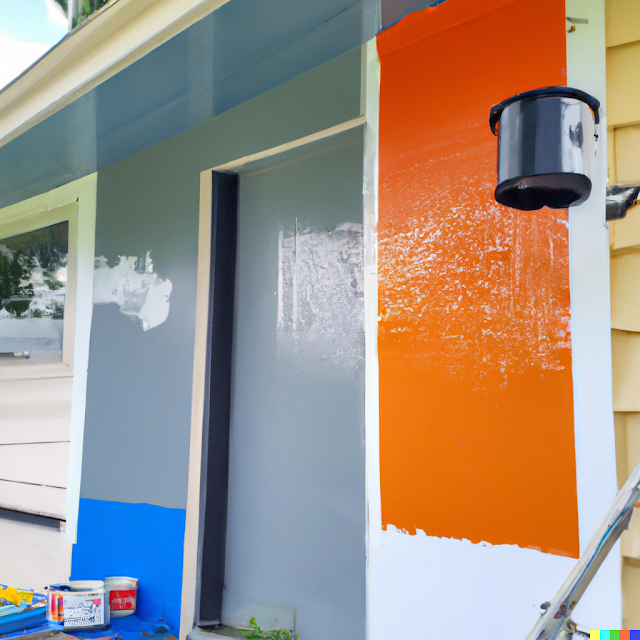
Painting House Ideas: The Chromatic Canvas to Unfurl Your Home’s True Soul
home transformation, paint power, color psychology, house painting benefits, aesthetic upgrade
There is a quiet, profound magic in the act of painting a home. It is not merely a task of applying pigment to a surface; it is an intimate conversation with your living space, a deliberate unveiling of its inherent character, and a profound declaration of your own aesthetic soul. Imagine, for a moment, the whisper of a sea breeze carrying the scent of possibility, or the warm embrace of a sun-drenched afternoon. These are the feelings, the very essences, that the right stroke of paint can evoke, transforming mundane walls into a vibrant tapestry of experience.
Your home, you see, is more than just an arrangement of bricks and mortar, wood and glass. It is a vessel for your memories, a sanctuary for your dreams, and a silent witness to the daily unfolding of your life. And just as a cherished book reveals its narrative page by page, your home’s story can be profoundly altered, enriched, and redefined by the colors that adorn its skin, both inside and out. This journey into painting house ideas is an exploration of that transformative power, a deep dive into the chromatic canvas that awaits your touch. We shall consider not just the superficial aesthetic, but the very psychology of color, the nuanced dialogue between light and shade, and the subtle ways in which a carefully chosen palette can elevate your dwelling from a mere structure to a living, breathing entity. Prepare to unlock the true potential of your abode, to imbue it with a personality that resonates deeply with your spirit, and to witness a home transformation that goes far beyond the surface.
The Philosophy of Color: A Visceral Language of Light and Shadow
(Keywords for this section: color theory, emotional impact of color, mood colors, personal color palette, living space harmony)
Before the brush ever touches the wall, before the first gallon of paint is even purchased, there must be a moment of quiet contemplation, a deep dive into the very philosophy of color. For color, my friend, is not simply a visual attribute; it is a visceral language, speaking directly to our emotions, shaping our perceptions, and influencing the very rhythm of our days. Think of the boundless serenity evoked by a pale sky blue, the invigorating surge of a verdant forest green, or the comforting warmth of an earthy terracotta. Each hue carries with it a unique vibrational frequency, a silent hum that resonates within us, whether we are consciously aware of it or not.
Understanding basic color theory is akin to learning the grammar of this profound language. You have your primary colors – red, blue, and yellow – the foundational elements from which all others spring. Then come the secondary colors, born from their union, and the tertiary hues, a further blending. But beyond this rudimentary classification lies the more fascinating realm of color temperature and emotional impact. Warm colors – reds, oranges, yellows – tend to advance, to embrace, to energize. They can make a large room feel cozier, a small space feel more vibrant. Cool colors – blues, greens, purples – tend to recede, to soothe, to calm. They can expand a small room, imbue a busy space with tranquility.
Your personal color palette, therefore, becomes a reflection of your desired emotional landscape within your home. Do you yearn for a sanctuary of peace and quiet reflection? Perhaps a muted palette of soft grays, calming blues, or gentle greens will form the bedrock of your choices. Is your home a hub of vibrant activity, a gathering place for laughter and lively conversation? Then perhaps bolder strokes of cheerful yellow, confident teal, or even a daring splash of crimson might be in order. The interplay of these mood colors creates a harmonious living space, a symphony of shades that nurtures your spirit. This deliberate choice, this thoughtful engagement with the very essence of color, is the first, most crucial step in transforming your home into a true extension of yourself. It is the beginning of a living space harmony that will resonate through every corner.
Exterior Painting: The First Impression, A Silent Overture
(Keywords for this section: exterior house paint, curb appeal, outdoor color schemes, architectural style painting, weather-resistant paint)
The exterior of your home is its face to the world, the silent overture that precedes any interior revelation. It is the first impression, the immediate visual narrative that greets visitors and passersby alike. Therefore, the choice of exterior house paint is not merely about aesthetics; it is about identity, protection, and the subtle art of curb appeal. Imagine the stark contrast between a faded, peeling facade and one freshly cloaked in a rich, inviting hue. The latter speaks of care, of pride, of a home that is loved and maintained.
When considering outdoor color schemes, you must engage in a delicate dialogue with several crucial elements. Firstly, consider the architectural style of your home. A Victorian grand dame might demand a multi-hued palette, perhaps deep jewel tones or historic pastels, to highlight its intricate detailing. A modern minimalist structure, on the other hand, might thrive with a sleek, monochromatic scheme – perhaps a striking charcoal or a crisp white. A rustic farmhouse would likely lean towards earthy tones, perhaps a warm cream or a deep barn red, to blend seamlessly with its natural surroundings. The existing elements that cannot be changed – the color of your roof, your stone or brick accents, your pathways – must also be factored in. These are your anchors, the fixed points around which your new palette must harmoniously orbit.
Beyond mere beauty, the practical considerations of exterior paint are paramount. This is your home’s armor against the elements. You need weather-resistant paint, formulated to withstand the relentless sun, the driving rain, the biting cold, and the relentless march of time. High-quality exterior paints offer superior adhesion, mildew resistance, and color retention, ensuring that your chosen hue remains vibrant and true for years to come. This deliberate selection of color and quality for your exterior is an investment in both the beauty and the longevity of your home, setting the stage for the warmth and comfort that lies within. It’s the grand welcoming gesture, the silent promise of what awaits beyond the threshold.
Interior Painting: Crafting Your Sanctuary, Room by Room
(Keywords for this section: interior wall colors, room specific paint ideas, light reflection paint, functional room colors, cohesive home palette)
Once past the welcoming facade, we step into the intimate embrace of your interior world. Here, the brush becomes an instrument of deep personal expression, crafting not just rooms, but veritable sanctuaries. The choices of interior wall colors are boundless, each offering a distinct mood and purpose, influencing how you live, work, and relax within your own domain.
Consider your living room, often the heart of social interaction. Here, you might desire a color that is both inviting and versatile, a backdrop for conversation and connection. Perhaps a sophisticated greige, a warm beige, or a soothing blue-gray provides that balance, allowing your furnishings and artwork to truly shine. For the kitchen, a space of culinary creation and often bustling activity, functional room colors come into play. Crisp whites or light neutrals can promote a sense of cleanliness and energy, while pops of cheerful yellow or vibrant green can stimulate appetite and conversation.
Your bedroom, however, demands a different approach entirely. This is your private retreat, a haven for rest and rejuvenation. Here, soft, muted tones often reign supreme – gentle lavenders, calming blues, or serene greens – fostering an atmosphere conducive to sleep and tranquility. The quality of light in each room is also a critical factor. Rooms bathed in natural light can often carry deeper, more saturated hues without feeling heavy, while north-facing rooms, which receive cooler, dimmer light, might benefit from warmer, lighter colors to brighten and invigorate the space. Understanding light reflection paint properties is key here; lighter colors with higher LRV (Light Reflectance Value) will make a room feel larger and brighter, while darker colors absorb light, creating a more intimate, cozy feel.
The true artistry, however, lies in creating a cohesive home palette. This doesn’t mean every room must be the same color, but rather that there’s a harmonious flow from one space to another. Perhaps a dominant neutral carries through the main hallways, with accent colors introduced in individual rooms that subtly nod to the central theme. This careful consideration, room specific paint ideas woven into a larger design tapestry, ensures that your home feels not like a collection of disparate boxes, but a beautifully integrated narrative, each chapter unfolding seamlessly into the next.
Beyond Walls: Ceilings, Trim, and Accents – The Unsung Heroes
(Keywords for this section: ceiling paint ideas, trim color choices, accent wall painting, door painting tips, architectural details paint)
While the broad expanse of your walls naturally commands the most attention, the true elegance and depth of a painted space often lie in the unsung heroes: the ceilings, the trim, and the thoughtful application of accent wall painting. These elements, often overlooked, are the architectural details paint can elevate, acting as subtle frames and defining lines that complete the visual story.
Ceilings, for instance, are often relegated to a default stark white. Yet, this vast fifth wall holds immense potential. Traditional ceiling paint ideas suggest lighter shades to make a room feel taller and more expansive, reflecting light downwards. But consider the dramatic impact of painting a ceiling a deeper, more saturated version of the wall color, or even a contrasting hue. In a bedroom, a dark, rich ceiling can create a cocoon-like intimacy, drawing the eye upwards and imparting a sense of depth. In a dining room, a painted ceiling might add an unexpected layer of sophistication, like a jewel box lid.
Then there is the trim – the baseboards, crown molding, door frames, and window casings. Trim color choices can dramatically alter the perception of a room. A classic approach is to paint trim a crisp white, creating a clean contrast against colored walls, making the walls recede and the trim pop. This highlights the architectural bones of your home. However, painting trim the same color as the walls creates a seamless, modern look, blurring the lines and making the room feel larger and more enveloping. For a bolder statement, consider painting trim in a contrasting, darker shade to add a sophisticated, framed effect, especially effective in rooms with high ceilings or intricate molding. Door painting tips often follow similar principles; a door can either blend seamlessly or stand out as a focal point, depending on your chosen hue.
Finally, the accent wall. This is where you can truly unleash a concentrated burst of personality without committing an entire room to a daring shade. An accent wall can highlight a specific architectural feature, like a fireplace, or serve to anchor a seating arrangement. It’s an opportunity to experiment with a bolder color, a textured paint, or even a wallpaper, adding depth and visual interest. These careful considerations, from ceiling paint ideas to the nuanced use of architectural details paint, transform a good paint job into an exquisite one, ensuring every element contributes to the overall aesthetic harmony.
The Palette of Preparation: Laying the Foundation for Flawless Artistry
(Keywords for this section: paint preparation steps, surface cleaning for painting, primer application, paint tools essential, drop cloth usage)
Even the most exquisite color, the most luxurious sheen, will fall flat without the diligent, often laborious, palette of preparation. This is the unsung hero of any successful painting project, the crucial groundwork that elevates a good paint job to a truly flawless artistry. To bypass these paint preparation steps is to invite disappointment, uneven finishes, and a dramatically shortened lifespan for your new coating.
Begin with a thorough surface cleaning for painting. Walls accumulate dust, grime, grease, and fingerprints over time, all of which will prevent paint from adhering properly. A simple solution of warm water and a mild detergent (or a specialized cleaner for tougher grime) applied with a sponge, followed by a clean water rinse, is often sufficient. For exterior surfaces, power washing can be an invaluable tool to remove loose paint, dirt, and mildew. Allow ample time for the surfaces to dry completely before proceeding.
Next comes the meticulous task of patching and sanding. Fill any holes, cracks, or imperfections with spackle or wood filler, allowing it to dry thoroughly before sanding smooth. Feather the edges of the patched areas so they blend seamlessly with the surrounding surface. This creates a uniform canvas, free of blemishes that would otherwise be magnified by a fresh coat of paint. Don’t underestimate the power of a light overall sanding, even on previously painted surfaces, to create a ‘tooth’ that helps the new paint grip better.
Primer application is the bridge between preparation and painting. While some modern paints claim to be “paint and primer in one,” a dedicated primer is almost always a superior choice, especially when changing a dark color to a light one, painting over stains, or working with new drywall or bare wood. Primer creates a uniform, sealed surface, ensures better paint adhesion, improves color vibrancy, and often requires fewer topcoats of your more expensive finish paint.
Finally, gather your paint tools essential: high-quality brushes for cutting in, rollers for large surfaces, paint trays, painter’s tape for crisp lines, and plenty of drop cloth usage to protect your floors and furniture. The right tools, coupled with meticulous preparation, are not mere accessories; they are fundamental components that guarantee your artistic vision translates into a tangible, beautiful reality. This disciplined approach ensures that your home’s new skin is not just pretty, but truly perfect.
Choosing Your Paint: A Symphony of Sheen and Type
(Keywords for this section: paint sheen guide, paint types explained, durable paint options, washable paint finishes, eco-friendly paint)
The choice of actual paint, once you’ve settled on your palette and prepared your surfaces, is a nuanced decision, a veritable symphony of sheen and type that profoundly impacts the final aesthetic and durability of your walls. It’s not enough to simply pick a color; understanding the properties of different paints is paramount to achieving the desired effect and ensuring longevity.
Paint Types Explained:
Broadly, paints are categorized into two main types for interior and exterior use: latex (water-based) and oil-based.
- Latex Paints: These are the most common choice for homeowners. They dry quickly, clean up easily with water, have low VOCs (Volatile Organic Compounds), and are flexible, making them less prone to cracking and peeling. They are excellent for walls, ceilings, and most general applications.
- Oil-Based Paints: Historically, oil-based paints were favored for their durability and smooth finish, especially on trim, doors, and cabinets. They offer a harder, more durable finish and are excellent for high-traffic areas. However, they have a strong odor, require mineral spirits for cleanup, and yellow over time. Their use is declining due to environmental regulations and the advent of high-performance water-based alternatives.
Paint Sheen Guide:
The sheen, or finish, refers to how much light the paint reflects, ranging from dull to glossy. This choice impacts durability, washability, and the overall look.
| Sheen Type | Appearance | Durability / Washability | Best Uses | Notes |
|---|---|---|---|---|
| Flat/Matte | Non-reflective, hides imperfections well. | Least durable, not very washable. | Low-traffic areas, ceilings, bedrooms. | Creates a soft, sophisticated look; ideal for hiding wall flaws. |
| Eggshell | Soft, subtle sheen, like an eggshell. | More durable than flat, moderately washable. | Living rooms, dining rooms, hallways. | Most popular choice for general walls; good balance of look and function. |
| Satin | Smooth, velvety sheen, slightly reflective. | Very durable, highly washable. | Kitchens, bathrooms, laundry rooms, kids’ rooms. | Often described as having a “pearl-like” finish; stands up to moisture. |
| Semi-Gloss | Noticeable shine, reflects light well. | Very durable, excellent washability. | Trim, doors, cabinets, high-traffic areas. | Highlights architectural details; easy to clean. |
| High-Gloss | Highly reflective, mirror-like finish. | Extremely durable, very easy to clean. | Furniture, accent pieces, trim, doors. | Requires very smooth surfaces as it highlights imperfections. |
For durable paint options, particularly in high-traffic zones or moisture-prone areas, look towards satin, semi-gloss, or even high-gloss finishes, as these are typically washable paint finishes. Beyond these standard types, you might encounter specialty paints like those with mold-resistant additives for bathrooms, or low-VOC/zero-VOC options for those seeking eco-friendly paint solutions and better indoor air quality. Choosing wisely ensures your vision is not only beautiful but also built to last.
DIY vs. Professional: A Deliberate Choice
(Keywords for this section: DIY house painting, professional painter benefits, cost of painting a house, time commitment painting, quality paint job)
The moment arrives when you must ponder a pivotal question: will this transformative act be a personal endeavor, a testament to your own hands and will, or will you entrust it to the practiced skill of others? The choice between DIY house painting and hiring a professional is a deliberate one, weighed by considerations of time, cost, skill, and the desired outcome.
DIY House Painting:
The allure of DIY is undeniably strong. There’s a profound satisfaction in stepping back and beholding a space transformed by your own effort. It offers the potential for significant cost savings, as you’re primarily paying only for materials. For smaller projects – a single room, an accent wall, or even interior trim – DIY can be a deeply rewarding and manageable undertaking. It allows for a flexible time commitment painting, working at your own pace, perhaps over several weekends. However, it demands patience, attention to detail, and a willingness to learn new skills. Mistakes can be costly in terms of time and materials, and the physical demands can be surprisingly taxing. The sheer scale of painting an entire exterior or multiple interior rooms can quickly become overwhelming for the inexperienced.
Professional Painter Benefits:
Engaging a professional painter, on the other hand, offers a different kind of peace of mind. They bring expertise, efficiency, and specialized equipment that the average homeowner simply doesn’t possess. A professional can often complete a large project in a fraction of the time it would take a DIYer, minimizing disruption to your daily life. Their experience translates into a superior quality paint job, with crisp lines, smooth finishes, and proper surface preparation that ensures longevity. They are also adept at troubleshooting unexpected issues, from tricky surfaces to stubborn stains. While the cost of painting a house by a professional is a significant investment, it often pays dividends in terms of saved time, reduced stress, and a flawless, long-lasting finish that can even increase your home’s value.
Ultimately, the decision hinges on your comfort level with the task, the scope of the project, your budget, and your desired level of perfection. For some, the journey of DIY is part of the joy; for others, the assurance of a professional quality paint job is worth every penny. Take the time to honestly assess your skills, your schedule, and your expectations before making this deliberate choice.
Embracing Trends and Timelessness: A Dance of the Ephemeral and the Enduring
(Keywords for this section: paint color trends, timeless paint colors, classic home palettes, modern paint ideas, future-proof home colors)
In the ever-shifting landscape of design, there is a fascinating tension between the ephemeral allure of paint color trends and the steadfast comfort of timeless paint colors. Navigating this dynamic is a delicate dance, allowing your home to feel current without sacrificing its enduring appeal.
Trends, much like fashion, ebb and flow. One year might celebrate bold, saturated hues; the next, a return to calming neutrals or muted pastels. These modern paint ideas are often inspired by broader cultural shifts, global events, or even the latest innovations in material science. Embracing a trend can infuse your home with a fresh, contemporary energy, making it feel vibrant and in sync with the present moment. Perhaps a trendy accent wall in a daring shade, or a feature piece painted in the “color of the year,” allows you to dip your toe into the current without a full commitment.
However, the risk with trends is their inherent impermanence. What feels fresh today might feel dated tomorrow. This is where the wisdom of timelessness comes into play. Timeless paint colors are those that transcend fleeting fads, possessing an intrinsic elegance and versatility that ensures their enduring appeal. Think of the classic home palettes: sophisticated off-whites, warm grays, muted blues, and soft greens. These are colors rooted in nature, colors that provide a soothing, adaptable backdrop for diverse furnishings and styles. They are the quiet, reliable companions that allow your personal taste to evolve without demanding a complete repaint every few years.
The art, then, lies in finding the balance. You can certainly incorporate modern paint ideas into your home, perhaps in smaller, more easily changeable elements. But for the main walls of your living spaces, especially those that form the foundation of your home’s aesthetic, leaning towards future-proof home colors – those classic, enduring shades – is often a wiser, more sustainable long-term strategy. Your home should feel like your home, not a fleeting showroom. It should reflect a sense of calm continuity, even as you introduce elements of contemporary flair. This thoughtful approach ensures that your chromatic canvas remains both relevant and profoundly comforting for years to come.
Sustainability and Your Canvas: Painting with Conscience
(Keywords for this section: sustainable paint, low VOC paint, eco-conscious painting, healthy home paint, green painting practices)
As our awareness deepens concerning the impact of our choices on the planet and our own well-being, the conversation around painting extends beyond mere aesthetics to embrace sustainability. Your home, after all, is not just a visual canvas, but an environment, and the materials you introduce into it directly influence its health and yours. This calls for a shift towards eco-conscious painting, choosing products that are both beautiful and responsible.
The most significant advancement in sustainable paint has been the widespread availability of low VOC paint and zero VOC paint. VOCs, or Volatile Organic Compounds, are gases emitted from certain solids or liquids, including many traditional paints. These compounds contribute to indoor air pollution, can cause respiratory issues, headaches, and other health concerns, and also contribute to smog and environmental pollution. By opting for low or zero VOC formulas, you dramatically reduce the release of these harmful chemicals into your home’s atmosphere, creating a healthier home paint environment for you and your family. Look for certifications like Green Seal or GREENGUARD, which indicate products that meet stringent environmental and health standards.
Beyond VOCs, consider the entire lifecycle of the paint. Are there options made from recycled content or renewable resources? Are the pigments natural or synthetic and environmentally benign? Some brands are even exploring plant-based binders and natural milk paints.
Green painting practices extend to your methods as well. This includes proper disposal of leftover paint and cleaning supplies (never pour paint down the drain!), efficient use of materials to minimize waste, and choosing reusable tools over disposable ones where possible. Even the simple act of opening windows during and after painting to ensure good ventilation contributes to a healthier indoor environment.
Painting with conscience is not just a trend; it’s a commitment to a healthier lifestyle and a greener planet. It’s about ensuring that the beauty you create within your home doesn’t come at an environmental cost, allowing you to breathe deeply and enjoy your transformed space with true peace of mind. Your canvas can be both vibrant and responsible, a testament to thoughtful living.
The Grand Finale: Maintenance and Enjoyment – Living with Your Transformed Space
(Keywords for this section: paint maintenance tips, touch-up painting, prolonging paint life, enjoying your painted home, refreshing paint)
The last stroke has been applied, the rollers cleaned, the drop cloths folded away. The air, once thick with the scent of fresh paint, now holds the subtle, clean aroma of new beginnings. This is the grand finale, but it is also the genesis of a new phase: living with your transformed space. The beauty you’ve meticulously crafted is not static; it requires a mindful approach to paint maintenance tips to ensure its enduring vibrancy and to truly prolong paint life.
Firstly, patience is key immediately after painting. While paint may feel dry to the touch within hours, it takes several weeks (often 30 days or more) for paint to fully cure and reach its maximum durability. During this curing period, avoid scrubbing or harsh cleaning, and treat surfaces gently.
Regular, gentle cleaning is paramount for maintaining the freshness of your walls. For most washable paint finishes (eggshell, satin, semi-gloss), a soft cloth dampened with mild soap and water can often remove everyday smudges and dirt. Tackle spills and marks promptly, as fresh stains are far easier to remove than those that have set. Avoid abrasive cleaners or harsh scrubbing pads, which can damage the paint film and dull the sheen.
Inevitably, life happens. Scuffs, nicks, and minor damages are part of living in a home. This is where touch-up painting becomes your ally. It’s advisable to save a small amount of your original paint (properly sealed and stored in a cool, dark place) for this very purpose. When performing touch-ups, use a small brush and apply the paint sparingly, feathering the edges to blend seamlessly with the existing surface. Be aware that even with perfectly matched paint, touched-up areas might appear slightly different due to variations in application or the aging of the original paint. Sometimes, a full coat on a wall is preferable to spot touch-ups for a truly uniform look.
Ultimately, the goal is not just to maintain a pristine surface, but to fully embrace and enjoy your painted home. Your transformed space is a backdrop for your life, a source of comfort and inspiration. The refreshing paint job you’ve undertaken should fill you with a renewed sense of pride and well-being. Look at how the light plays on your chosen colors throughout the day, how the mood shifts from morning to evening. This continuous appreciation, coupled with thoughtful maintenance, ensures that your home remains a living testament to your vision for many years to come.
Conclusion: Your Home, Unfurled and Reimagined
We have journeyed through the philosophical depths of color, explored the nuanced choices for both exterior and interior canvases, delved into the meticulous preparations, and considered the practicalities of paint types and application. From the silent overture of curb appeal to the intimate whispers of your private sanctuary, every decision in the realm of painting house ideas contributes to a grander narrative – the story of your home, unfurled and reimagined.
Remember, your home is not a static entity; it is a dynamic extension of your being, evolving as you evolve. The act of painting is a powerful tool in this continuous dialogue, offering a profound means to reshape its mood, enhance its character, and truly transform your living narrative. It is an investment, not just in property value, but in daily joy, in the quiet hum of contentment that emanates from a space perfectly attuned to your spirit.
Whether you choose the hands-on satisfaction of DIY or the skilled precision of a professional, whether you embrace the fleeting whisper of a trend or the enduring embrace of timelessness, let your choices be deliberate, informed, and deeply personal. Allow the chromatic canvas of your home to reflect your unique soul, to be a place of beauty, comfort, and profound inspiration. Step back, behold your transformed space, and know that you have not just painted walls, but truly brought your home’s true soul to life.
Frequently Asked Questions (FAQ)
(Keywords for FAQ: common painting questions, paint project planning, choosing paint colors, painting tips and tricks, paint drying time)
Q1: How do I choose the right paint colors for my home?
A1: Start by considering the mood you want to create in each room. Look at existing elements like flooring, furniture, and natural light. Collect inspiration from magazines or online. Get